Home Blog Page 76

Kantara Chapter 1 Review: Rishab Shetty Crafts a Visionary Epic: The Prequel of Kantara is Fully Entertaining and Visually Grand

0

KANTARA A LEGEND: CHAPTER 1

ONE WORD: Rishab Shetty Crafts a Visionary Epic: The Prequel of Kantara is Fully Entertaining and Visually Grand

A Review by Arunjyothi R 

LANGUAGE: Malayalam Dubbed 

DURATION: 02 Hours 48 Minutes 

DIRECTOR: Rishab Shetty 

GENRE: Period Mythological Action Drama

•POSITIVES:

1: Direction 

2: Story, Screenplay and Dialogues 

3: Performance of Rishab Shetty 

4: Cinematography 

5: Music and Background Score 

6: VFX 

7: Production Design 

8: Action Sequences 

9: Last 30 Minutes and Second Half 

10: Editing 

•NEGATIVES:

1: Comedies felt forceful 

2: Pacing issues in the first half 

3: Climax is engaging but misses the first film’s punch.

STORY

The tale begins with King Vijayendra (Jayaram), a seasoned ruler who chooses to pass the crown to Kulasekhar (Gulshan Devaiah). But what the king envisions as continuity turns into chaos—Kulasekhar lacks the discipline and foresight needed to lead. The real brilliance in the royal household lies with his sister, Kanakavathi (Rukmini Vasanth), whose intelligence and intuition set her apart.

Far from the palace walls lies the sacred land of Kantara, where no monarch dares to exercise authority. Here lives Berme (Rishab Shetty), the formidable leader of the tribes. His strength and integrity earn Kanakavathi’s admiration, eventually securing his people trading rights at Bandar Port—a rare triumph for the marginalized. Yet, peace is shattered when Kulasekhar, hungry for dominance, turns his wrath on the tribe. The massacre claims countless lives, including Berme’s mother, pushing him into a state where he becomes the vessel of divine forces—no longer just a man, but the very embodiment of his people’s gods.

But the fire of faith is tested by betrayal. Someone close delivers the deepest wound, forcing Berme to confront not only his enemies but also treachery within. What unfolds is a tale of vengeance, faith, and the ultimate fight to restore dharma to a land broken by greed.

REVIEW & ANALYSIS OF THE FILM

WHAT ARE THE POSITIVES:

1: Rishab Shetty is the heartbeat of Kantara: A Legend – Chapter 1, carrying the film with unmatched vision and conviction. What he delivers here is not just another performance, but a complete cinematic craft that blends myth, folklore, and high-octane action into something extraordinary. His confidence to attempt a mythological action saga of this magnitude deserves applause, and the way he has executed the script with striking direction and technical finesse makes the film stand out as a true pan-Indian spectacle. The large-scale production, rooted storytelling, and sheer technical brilliance elevate the experience into something rare and unforgettable. Following the phenomenon of Kantara (2022), expectations for this prequel were nothing short of massive. Living up to that pressure, Kantara: A Legend – Chapter 1 not only matches the emotional and spiritual depth of its predecessor but also expands its universe with grandeur and conviction.

What makes Rishab Shetty’s filmmaking so compelling is his deep understanding of audience engagement. He knows how to balance raw action, emotional resonance, and spiritual undertones, keeping viewers invested throughout. His pattern of weaving mythological and cultural narratives into an imaginative cinematic structure transforms traditional folklore into a vibrant visual experience. Every sequence is carefully paced, every moment of tension meticulously designed, and the spiritual-mythological elements are translated into a cinematic language that feels both epic and accessible. By intuitively grasping what audiences seek—be it adrenaline, emotion, or cultural pride—he creates a narrative that resonates on multiple levels. This chapter confirms Rishab Shetty’s place as one of the most visionary storytellers in Indian cinema today, and without doubt, it stands as one of the year’s finest and most satisfying entertainers.

2: Another standout strength of Kantara: A Legend – Chapter 1 lies in its writing. Rishab Shetty not only leads on screen but also pens the script, and his brilliance as a storyteller shines through every frame. The narrative is layered with elements that both surprise and captivate, while the screenplay is designed to keep viewers hooked with seamless scene progressions and cleverly placed turns. Even when the pace dips in the early portions, the underlying conflicts and striking occurrences provide enough weight to sustain engagement, ensuring that the film never loses its grip on the audience. It is in the second half, however, that the script truly reaches another level. The writing blossoms into something extraordinary—magical in its sweep and intensity. Shocking twists, suspenseful reveals, and a masterfully woven sense of unpredictability push the drama into powerful territory. What makes these moments even more effective is Shetty’s direction, which refuses to give the audience time to predict or overthink the turns ahead. The dialogues deserve special mention too—divine, spiritual, and hauntingly poetic, especially during the transformation sequences where Berme inherits the presence of gods. These lines not only intensify the emotions but also root the experience in something profound and larger than life. At its peak, the writing grips so hard that it becomes impossible to look away, confirming once again that Rishab Shetty’s pen is as commanding as his presence on screen.

3: Rishab Shetty once again proves why he is the lifeline of Kantara: A Legend – Chapter 1. His portrayal of Berme is a masterclass in transformation—moving from a grieving son to a divine force of nature with seamless conviction. The timing of his dialogue delivery is razor-sharp, especially during the spiritually charged moments, where every word carries weight and resonance. His intense facial expressions capture both the fury of a warrior and the trance-like aura of a man possessed by deities, making the transformation scenes absolutely spellbinding. These sequences are not just acted—they are lived, pulling the audience into an otherworldly experience. Equally captivating is his physicality on screen. Rishab brings a natural grace to the action sequences, combining raw power with precise control that makes every fight feel both authentic and cinematic. His body language mirrors the inner conflict of the character—human vulnerability giving way to divine rage. And when the film reaches its climax, Rishab delivers a staggering appearance that not only heightens the drama but also carries a twist that leaves audiences stunned. With his magnetic presence, flawless timing, and intense emotional depth, Rishab doesn’t just play Berme—he becomes the very spirit of the film.

4: To make a mythological thriller and to set the ambience of a mysterious world, visuals need to carry as much weight as the story—and here, Arvind S. Kashyap’s cinematography works at its absolute best. His wide-angle frames capture the vast, untamed beauty of Kantara, while every shot is meticulously composed to match the narrative—from serene landscapes to intense tribal confrontations. The lighting and framing perfectly enhance the spiritual and mystical undertones, and the visuals consistently drive us deeper into the world of Kantara, making it feel alive, immersive, and larger than life. Kashyap’s camera work also shines in action sequences, with dynamic movements and fluid tracking shots that amplify the thrill and intensity. Close-ups of Rishab Shetty during transformative and emotionally charged moments are framed with precision, capturing every subtle expression and flicker of intensity. From sweeping panoramas to intimate character moments, each frame feels purposeful, balancing spectacle with storytelling, and keeping the audience completely engaged in the mythological and mysterious world of the film.

5: The visual effects in Kantara: A Legend – Chapter 1 are remarkable, perfectly complementing the film’s narrative and adding depth to its mythological and action-packed world. The tiger sequences are a standout—so lifelike and seamlessly integrated that every appearance feels real, commanding attention and often leaving the audience in awe. The precision in their movement, expressions, and interaction with the environment makes these scenes feel organic, eliciting both excitement and chills. In the climactic moments, the monstrous creatures protecting the divine realm, though slightly exaggerated for dramatic effect, maintain a strong impact, and the team ensures they feel rooted in the story’s spiritual context. Beyond these, the VFX in war and action sequences is visually striking, enhancing the scale, intensity, and energy of every encounter without ever feeling artificial or overdone. From the smallest details to large-scale effects, the visuals remain consistent with the narrative, making the world of Kantara immersive and believable. The craftsmanship and teamwork behind the VFX are evident in the quality of each shot, demonstrating meticulous planning and execution. Every effect—from the supernatural transformations to the grand battle sequences—serves the story, ensuring the audience stays fully engaged while appreciating the high level of technical expertise that brings this epic tale to life.

6: B. Ajaneesh Loknath’s music and background score in Kantara: A Legend – Chapter 1 aren’t just accompaniments—they are the pulse of the film. Every scene, from heart-pounding action to tense suspense and Berme’s awe-inspiring spiritual transformations, is elevated by a soundscape that blends tribal rhythms, folk instruments, and mystical motifs. The music doesn’t just support the story—it pulls the audience straight into the world of Kantara, making every moment feel alive and larger than life. The songs are a treat for the senses, perfectly rooted in the film’s cultural and emotional fabric. Stirring folk numbers capture the essence of the tribe, while haunting melodies during divine and mystical sequences leave a lingering chill. The background score peaks brilliantly in the climax, intensifying the battles and emphasizing Berme’s transformation into a divine force. Even in the final moments, the music sets the stage for what’s next, keeping the anticipation alive and leaving audiences eager for the continuation. Loknath’s compositions are a perfect blend of emotion, drama, and spectacle, making the film not just a visual journey, but an unforgettable auditory experience as well.

7: The production design of Kantara: A Legend – Chapter 1 is nothing short of spectacular, instantly drawing the audience into a world that feels alive and authentic. From the dense, untamed forests to the sacred temples and bustling tribal settlements, every set is crafted with painstaking detail, creating an environment that breathes life into the story. The spatial design, props, and textures not only establish the scale and grandeur of Kantara but also immerse the viewer fully, making the land itself feel like a living, dynamic character. Complementing the sets are the costumes, which brilliantly reflect the film’s cultural, spiritual, and mythological essence. The tribal attire, regal outfits, and divine-inspired garments are not just visually striking—they convey character, tradition, and story at a glance. Every look, from the simplest villager to the fiercest warrior, feels rooted in authenticity while adding cinematic flair. Combined with the immersive sets, the costume design elevates the narrative, ensuring that every scene—whether a quiet village moment or a high-stakes battle—feels visually rich, impactful, and deeply connected to the world of Kantara.

8: The action sequences in Kantara: A Legend – Chapter 1 are a perfect balance of intensity and realism, never feeling exaggerated or over-the-top. Every fight, chase, and stunt is meticulously choreographed to feel grounded yet cinematic, keeping the audience hooked without ever losing credibility. Forest skirmishes, high-speed chases, and stunts are executed with precision, making the tribal setting feel authentic thrills. The war sequences, in particular, are crafted with a sense of scale and impact, giving each confrontation weight and tension. What elevates the action further is the integration of Berme’s spiritual powers. When he channels divine energy, the sequences become extraordinary, entertaining, and perfectly justified by the character’s arc. The timing, intensity, and choreography during these transformative battles are brilliant, keeping the audience fully engaged without feeling repetitive or tiring. The climax action sequences are a visual treat, showcasing clever takedowns, brutal confrontations, and the ultimate comeuppance of the villains, delivering satisfying payoffs. Overall, the film’s action blends realism, spectacle, and narrative purpose, making every sequence memorable, thrilling, and deeply connected to the story.

9: The editing in Kantara: A Legend – Chapter 1, handled by Suresh Mallaiah, is precise and thoughtfully executed, ensuring the narrative flows seamlessly across its 168-minute runtime. The cuts are perfect, with brilliant transitions that maintain the engagement and rhythm of the story. Scenes move effortlessly from intense action to emotional or spiritual sequences, without any jarring mismatches or breaks in continuity. Even with the slightly long first half, Mallaiah’s editing manages to maintain momentum, keeping the audience invested in the unfolding drama. Complementing the cuts is the film’s exceptional colour grading, which enhances the ambience and atmosphere of Kantara. The earthy tones of the forests, the mystical glow during divine sequences, and the vibrant hues of the tribal settings all contribute to an immersive experience. In the climax and action sequences, the colour palette adds intensity and depth, making each fight and transformative moment visually striking. Overall, Suresh Mallaiah’s editing not only sustains the film’s pace and narrative clarity but also elevates its visual storytelling, blending perfectly with the cinematography, action, and music.

10: The second half of Kantara: A Legend – Chapter 1 works like pure magic, transforming the film into a thrilling, edge-of-the-seat experience. Suspense unfolds masterfully, with spiritual sequences, heroic transformations, and intense hero-villain clashes keeping the audience completely engrossed. Each moment is a visual and cinematic treat, where breathtaking action, stunning VFX, and immersive cinematography come together seamlessly, creating a spectacle that’s as entertaining as it is emotionally charged. The first half, by contrast, takes a more measured approach, carefully establishing the characters, tribal dynamics, and the cultural landscape of Kantara. This slower build allows the audience to understand the stakes and connect with the characters, making the thrills and drama of the second half all the more impactful. Together, the pacing creates a balanced narrative arc, where the first half lays the groundwork and the second half delivers the full force of suspense, action, and spiritual intensity.

WHAT ARE THE NEGATIVES

1: The film’s comedy, unfortunately, feels like it’s trying too hard. Instead of giving the story a breather, it often interrupts the flow, making the middle stretch drag and diluting the tension built in the earlier sequences. Some jokes land and bring genuine relief, but many feel shoehorned into scenes where they don’t belong—sometimes even in the middle of intense battle sequences or emotional moments—which makes them jarring and distracting. The sheer volume of comic relief creates a sense that humor was added for the sake of it, rather than as a natural extension of the story. This overstuffing pulls focus away from the film’s otherwise gripping mythology and high-stakes drama, breaking the immersive world the filmmakers worked hard to create. Had the comedic elements been used sparingly and strategically, they could have enhanced the story instead of clashing with it, keeping the audience invested in both the emotional and action-packed moments without feeling pulled in different directions.

2: The first half of the film often feels slow, taking its time to establish the plot and build the world. While the spiritual and mythological sequences are visually stunning and hold attention, other parts—especially the romantic track and the scenes showing the hero asserting his strength to capture the port—stretch longer than necessary. These sequences, though important for context, slow the narrative’s momentum and make the first half feel uneven compared to the second half, which is taut, high-energy, and gripping. The first half truly deserves a tighter edit, trimming some of the less essential interactions and focusing on the hero’s rise and strategic moves. A more streamlined approach here would have kept the pacing consistent, allowing the story to flow seamlessly into the intense second half and making the overall experience more compelling for the audience.

3: Viewers may be willing to overlook the slower pacing in the first half just to fully immerse themselves in the last 30 minutes, where the film truly comes alive. However, for those who were captivated by the novelty and surprise of the original Kantara and came with high expectations to see something entirely new, the prequel may not offer many fresh revelations. The climax in this installment is grand and well-executed, yet it inevitably draws comparisons to the first film, where the small-scale, tightly crafted final moments delivered an unforgettable shock and kept audiences on edge. While the prequel follows a similar track—making the climax engaging and thrilling—it slightly lacks the jaw-dropping intensity and intimacy of the original. With such a large-scale production at his disposal, Rishab Shetty could have amplified these scenes further to create an even more monumental impact. Even so, the climax remains visually spectacular and exciting to watch, though it leaves a subtle sense of something just short of fully satisfying the expectations set by the groundbreaking finale of the first film.

PERFORMANCE OF ACTORS: 

Rishab Shetty is the true heartbeat of Kantara: A Legend – Chapter 1. He delivers a performance that is both commanding and deeply layered, effortlessly balancing heroism with vulnerability. From intense action sequences to quiet, emotionally charged moments, Shetty brings a sense of authenticity and gravitas that anchors the entire film. His portrayal ensures that every step of Berme’s journey—whether in battle or in personal struggle—resonates powerfully with the audience.

Rukmini Vasanth is a revelation as the heroine, combining stunning presence with remarkable intensity. She looks gorgeous on screen, but her performance goes far beyond appearances. Her portrayal captures the intelligence, strength, and emotional depth of her character, with her transformation and moments in the climax being particularly memorable. Her chemistry with Rishab Shetty adds an additional layer of depth to the narrative, making their pairing both believable and engaging.

Jayaram starts with a subtle screen presence, but gradually his character unfolds into one with multiple crucial moments. He delivers a measured and effective performance, shining in the action sequences and delivering significant impact in the climax. His ability to transition from quiet authority to commanding intensity adds weight to his role, making his presence felt throughout the film despite the initially restrained introduction.

Gulshan Devaiah excels as the antagonist, bringing the perfect mix of arrogance, cruelty, and menace to his role. His portrayal of Kulasekhar, a villain who kills without hesitation and exudes entitlement, is chillingly convincing. Devaiah’s performance heightens the stakes of the story, providing a formidable counterpoint to Berme’s heroism, and makes the conflicts feel genuinely dangerous and impactful.

CONCLUSION:

Kantara: A Legend – Chapter 1 is a spectacular blend of mythology, action, and emotion, anchored by Rishab Shetty’s extraordinary performance and vision. While the first half could have been tighter in pacing and some comedic moments feel forced, the film truly shines in its second half, with grand action sequences, spiritual depth, and engaging drama. The performances—from Rishab Shetty and Rukmini Vasanth’s powerful pairing to Jayaram’s commanding presence and Gulshan Devaiah’s chilling villainy—elevate the narrative, making it immersive and memorable. Though the climax, while thrilling, slightly lacks the intimate shock of the original Kantara, the film still delivers a visually stunning, emotionally engaging, and technically brilliant experience. Overall, it stands as one of the year’s finest entertainers, successfully expanding the universe of Kantara while reaffirming Rishab Shetty’s place as one of Indian cinema’s most visionary storytellers.

RATING: 3.5/5

A Review by Arunjyothi. R

Idli Kadai Movie Review: A Feel-Good Family Drama With Its Moments, Yet the Writing Feels Familiar

0
Idli Kadai Movie Review

Idli Kadai Movie Review: A Feel-Good Family Drama With Its Moments, Yet the Writing Feels Familiar – ONE WORD: A Feel-Good Family Drama With Its Moments, Yet the Writing Feels Familiar. 

A Review by Arunjyothi R 

LANGUAGE: Tamil  

DURATION: 02 Hours 27 Minutes 

DIRECTOR: Dhanush 

GENRE: Family Drama

•POSITIVES:

1: Direction 

2: Performance of Dhanush 

3: Music and Background Score 

4: Feel good moments   

5: Cinematography 

6: Beautiful First Half 

6: Performance of Nithya Menen 

7: Scenes of Rajkiran 

•NEGATIVES:

1: Predictable Story

2: Pacing issues in Screenplay 

3: Villain conflict felt average 

4: Duration and Editing  

5: The second half’s mid-segments lose momentum. 

STORY

Sivanesan (Rajkiran) runs a modest idli shop in Shankarapuram, a place he treats like a temple and where the villagers hold him in deep respect for his food and values. His son Murugan (Dhanush), however, dreams of a life far removed from this simplicity—one filled with luxury and modern comforts. After completing his hotel management studies, Murali makes a mark in Bangkok, joining Vishnu Vardhan’s (Sathyaraj) AFC food empire as a partner. Impressed by his dedication and talent, Vishnu Vardhan even envisions him as a match for his daughter Meera (Shalini Pandey). But not everyone is welcoming—Vishnu Vardhan’s son Ashwin (Arun Vijay), driven by ego, resents Murali and treats him more like an employee than a prospective brother-in-law. While Murali achieves professional success, a sense of emptiness lingers; he misses his father, the idli shop, and the village life he once took for granted. Just when it seems his ambitions have been realized, an unexpected turn draws Murali back to his roots. What follows is a heartfelt journey of reconciliation, as Murali strives to balance his personal dreams with his father’s long-held aspirations, rediscovering the true meaning of home, family, and legacy.

REVIEW & ANALYSIS OF THE FILM: 

WHAT ARE THE POSITIVES:

1: One of the strongest aspects of Idli Kadai is the direction, led by Dhanush himself. His approach is neat, crisp, and well-paced, ensuring that the story retains an engaging flow from start to finish. Dhanush manages to turn a simple, heartwarming tale into a charming family drama without letting it feel dragged or slow at any point. The way he presents the film—balancing emotional beats, humor, and everyday simplicity—makes the narrative feel relatable and genuine. Compared to his previous directorial ventures, Dhanush shows a marked improvement in maintaining the story’s momentum and coherence. The film’s rhythm, the subtle handling of relationships, and the portrayal of village life all reflect his growth as a director, making the overall viewing experience both wholesome and enjoyable.

2: Another major highlight of Idli Kadai is the way it creates memorable, heartfelt moments throughout the film. There are numerous scenes that resonate deeply, making the audience reflect on the significance of parenthood, the value of heritage, the connection to our roots, and the special bond we share with our birthplace. These emotional beats are crafted with care, and the execution ensures that they leave a lasting impact, drawing viewers fully into the narrative. Beyond simply evoking emotions, these moments foster a genuine connection with the characters and their experiences, making us empathize with their joys, struggles, and aspirations. The film manages to strike a delicate balance between nostalgia and present-day realities, allowing the audience to appreciate both the simplicity of village life and the emotional depth of familial bonds. Such sequences elevate the story, making it more than just a visual experience—they leave a lingering emotional impression that stays with you long after the credits roll.

3: The performance of Dhanush is undoubtedly one of the biggest highlights of Idli Kadai. He truly immerses himself in the character, making it feel as if he is living and breathing the role rather than just portraying it. His transformation into Murali is both natural and captivating, with every expression—be it joy, anger, romance, or the subtle struggles of everyday life—executed flawlessly. His dialogue delivery, timing, and ability to convey complex emotions effortlessly make the performance highly engaging. The father-son moments shared with Rajkiran are particularly touching, with their chemistry bringing authenticity and depth to the emotional core of the film. Even in the few action sequences, Dhanush balances intensity with realism, while his simple, grounded appearance adds to the relatability of his character. Overall, this performance stands out as one of his finest in recent years—a role that is likely to be remembered and appreciated for its sincerity, charm, and emotional resonance.

4: The music and background score by GV Prakash Kumar emerge as another standout element of Idli Kadai. The songs are melodious and thoughtfully placed, perfectly complementing the unfolding events and enhancing the film’s emotional depth. Similarly, the background score elevates the narrative, subtly reinforcing crucial scenes and amplifying the intended mood without ever feeling intrusive. The feel-good moments are beautifully accentuated with pleasing tunes, making the viewing experience more immersive and emotionally resonant. Among the tracks, Enna Sugam stands out as a personal favorite, bringing a tender and romantic charm to the moments shared between Dhanush and Nithya Menen. Enjaami Thandhaane adds a vibrant festive energy, with its beats and choreography capturing the celebratory spirit perfectly, while Ethana Saami strikes a deep emotional chord with its sentimental undertones. Overall, GV Prakash Kumar’s musical work not only complements the story but also significantly heightens the film’s impact, marking it as one of the most memorable and effective musical contributions in recent times.

5: The first half of Idli Kadai is a masterclass in connecting with the audience, brimming with moments that effortlessly engage viewers. At first, I worried the film might feel slow, but as it gradually moved into the heart of the story, the pacing and momentum drew me in completely. The emotional interplay between Rajkiran and Dhanush is deeply touching, showcasing the nuanced layers of a father-son relationship with authenticity and warmth. Beyond the central characters, the film takes time to explore the idli shop and hotel—the way it was built, maintained, and cherished by the villagers—which adds a rich layer of backstory and context. Every scene, from the idli-making process to the small, heartfelt interactions in the village, is thoughtfully crafted, weaving together a sense of community, tradition, and belonging. The first half creates an immersive atmosphere, balancing humor, sentiment, and nostalgia, making it not just entertaining but also emotionally resonant. It’s a portrayal of simple joys, familial love, and the charm of everyday life that makes the audience pause, reflect, and feel a deep connection to the world on screen.

6: A village-centric story demands more than just a strong narrative—it calls for compelling visuals that bring the locale and its emotions to life. In Idli Kadai, cinematographer Kiran Kouahik delivers exactly that. The film is filled with beautiful frames, thoughtful angles, and visually appealing compositions that perfectly complement the storyline. Wide-angle shots showcase the village in all its charm, while intimate close-ups capture the subtle nuances of the actors’ emotions, making the characters feel alive and relatable. Action sequences are skillfully handled, with dynamic movements and well-planned angles that heighten tension and engagement. Even small details, like the moments leading up to a nighttime gunshot, are captured with precision, adding to the narrative impact. The cinematography not only enhances the aesthetic appeal of the film but also immerses the audience in the ambiance of the village, allowing them to feel its warmth, vibrancy, and emotional depth. Overall, Kiran Kouahik’s work elevates Idli Kadai, making the visuals an essential part of the storytelling experience.

7: One of the standout positives of Idli Kadai is Nithya Menen’s performance. She fits the role of Kayal perfectly, bringing a delightful mix of innocence, charm, and emotional depth to the character. From her first appearance to the final scenes, her screen presence is captivating, and her chemistry with Dhanush adds a refreshing spark to the film. Their romantic moments are handled beautifully, with genuine warmth and subtlety that make the emotions feel real and engaging. Scenes like her heartfelt confession of love and the moment she runs back to Dhanush are executed with the perfect touch of romance, enhanced by her expressive performance. Beyond the romantic angle, Nithya Menen also excels in the emotional sequences, conveying vulnerability, joy, and longing effortlessly. Her dialogue delivery is natural and impactful, further strengthening her connection with the audience. Overall, she elevates the film with a performance that is not only charming and heartfelt but also essential in driving the story forward, making Kayal a character that lingers in the viewer’s mind long after the movie ends.

8: Rajkiran emerges as one of the strongest pillars of Idli Kadai, delivering a performance that is nothing short of extraordinary. He is truly the soul of the film, infusing his character with warmth, authenticity, and emotional depth. The character arc is beautifully written and executed, allowing the audience to connect deeply with his joys, struggles, and unwavering dedication. His portrayal of the father is nuanced—balancing authority, affection, and subtle humor—making every scene, especially the father-son moments with Dhanush, resonate profoundly. The way he brings the idli shop to life—the cooking, the care behind each dish, and the love for his craft—is both convincing and heartwarming. Every gesture, expression, and dialogue carries a sense of tradition and legacy, highlighting the importance of family, roots, and values. Rajkiran’s performance elevates the entire film, making it emotionally rich and genuinely engaging, and it’s clear that he was the perfect choice for this role.

WHAT ARE THE NEGATIVES: 

1: The most noticeable drawback of Idli Kadai is the predictability woven into its storyline. From the very beginning, the trajectory of events is easy to anticipate, and most of the conflicts follow familiar patterns seen in typical family dramas. The buildup to the climax offers few surprises, and even the villain’s moves are entirely expected, which reduces the tension and suspense that could have added more depth to the narrative. While the script does have heartfelt moments and memorable scenes, the lack of narrative freshness sometimes makes the story feel too safe, as if it’s ticking off familiar boxes rather than exploring something new. Even with strong performances, emotional beats, and rich visuals, this sense of inevitability occasionally keeps the audience at arm’s length, preventing them from being fully immersed in the plot. The predictability, though not a dealbreaker, is certainly a factor that keeps Idli Kadai from reaching its full potential.

2: Another notable drawback of Idli Kadai lies in its screenplay. While the first half is magical, filled with touching moments and heartwarming sequences that effortlessly draw the audience in, the second half loses some of that charm. At times, it feels as though certain scenes were added just to stretch the runtime, which, although not making the film feel outright slow, does cause the momentum to waver. The predictability of events becomes more pronounced in this portion, and the later sequences fail to match the emotional depth and impact established earlier. The balance of sentiment, humor, and drama is uneven compared to the first half, with some emotional beats feeling moderate or routine. Certain scenes follow a formulaic, templated approach rather than offering fresh perspectives or surprises, which slightly diminishes the overall impact of the story. Despite strong performances and the solid foundation of the narrative, the second half’s writing prevents the film from maintaining the full emotional resonance and engagement of its promising opening.

3: The screenplay of Karam is competent and well-structured, but it lacks fresh or innovative concepts. Much like Vineeth Sreenivasan’s Thira, the narrative relies on familiar formulas, making key plot points and the story’s progression fairly predictable. From the way scenes unfold to the eventual resolution, seasoned viewers can often anticipate what is coming next. Additionally, certain sequences and the overall tone evoke the style of classic “Taken”-style detective and rescue action films, which gives the film a familiar global action-thriller flavor but also underscores its lack of originality. While the screenplay ensures that the story remains coherent and engaging, the absence of novel ideas or unexpected twists prevents it from standing out as a truly unique thriller experience.

4:  The runtime of Idli Kadai leans a bit on the longer side. While the story could have comfortably fit into a crisp two-hour duration, the opted length might test the patience of some viewers. Personally, I didn’t feel it dragged, but certain sequences—especially in the second half—move at a slower pace and follow a somewhat routine, templated structure. The editing, however, is generally competent, with clean cuts and smooth transitions that keep the flow coherent and visually appealing. Yet, a tighter edit could have significantly enhanced the film’s impact, trimming down less essential scenes and maintaining the emotional momentum throughout. Balancing the strong performances, engaging first half, and heartfelt moments with a more concise runtime would have made the viewing experience even more compelling and immersive.

5: The villain arc in Idli Kadai feels fairly average, with the writing in these segments lacking the punch needed to make an impact. The familiar rich-versus-poor conflicts feel old-fashioned, and the interactions between the hero and villains are entirely predictable. Sathyaraj and Arun Vijay had the potential to bring depth and menace to their roles, yet both fall into a routine villain pattern, while Samuthirakani’s character feels like one we’ve seen many times before. The climax, especially the fight between Dhanush and Samuthirakani, is underwhelming, and the sequence where the village people fight each other due to these conflicts feels rushed and poorly executed, failing to match the emotional stakes of the story. With a fresher approach, the villain tracks could have significantly elevated the tension and overall impact of the film.

PERFORMANCE OF ACTORS

Dhanush:

Dhanush delivers a remarkable performance in Idli Kadai, fully immersing himself in the role of Murali. He effortlessly brings the character to life, portraying a young man torn between ambition and his love for his roots. Every emotion—joy, frustration, romance, or vulnerability—is expressed naturally, with impeccable timing and dialogue delivery. The action sequences, subtle expressions, and his grounded, simple appearance make the character highly relatable. His chemistry with Rajkiran in the father-son scenes is especially heartwarming, adding depth and authenticity to the story. Overall, this is one of Dhanush’s most memorable performances in recent years, blending charm, sincerity, and emotional resonance.

Nithya Menen:

Nithya Menen shines as Kayal, delivering a performance that is both charming and emotionally engaging. She perfectly embodies innocence, warmth, and subtle strength, making her character instantly likable. Her romantic sequences with Dhanush feel natural and heartfelt, particularly moments like her confession of love or the scene where she rushes to see him—both executed with a genuine touch of romance. Beyond the romance, Nithya handles the emotional beats with finesse, ensuring her character resonates with the audience throughout. Her dialogue delivery, expressions, and on-screen presence make her performance one of the key highlights of the film.

Rajkiran:

Rajkiran is the soul of Idli Kadai, delivering an extraordinary performance that anchors the entire film. His portrayal of Shiva Kesavudu is layered, blending authority, warmth, humor, and deep emotional resonance. The father-son interactions with Dhanush are particularly compelling, evoking genuine emotions and making the narrative more engaging. Rajkiran’s depiction of the idli shop—the cooking, the traditions, and the love for his craft—is heartfelt and authentic. Every gesture, look, and dialogue is imbued with sincerity, making him the perfect choice for the role. His performance elevates the film, adding depth, charm, and a lasting emotional impact.

Supporting Actors

The supporting cast in Idli Kadai adds depth to the film, though some characters are limited by their writing. Sathyaraj, Arun Vijay, and Samuthirakani appear in negative roles, and while their performances are commendable, the routine villain arcs and lack of character development make their impact less memorable. Shalini Pandey as Meera delivers a noticeable performance, particularly shining in the climax where her emotions feel natural and convincing. Geetha Kailasam, portraying Dhanush’s mother, brings warmth and authenticity to her role, perfectly embodying the love and care of a devoted mother and wife. R. Parthiban and Ilavarasu also enjoy strong screen presence, and both succeed in doing full justice to their respective roles. Overall, while the performances are solid across the board, stronger character writing could have elevated the supporting cast even further.

CONCLUSION:

Overall, Idli Kadai is a heartwarming family drama that celebrates roots, relationships, and the simple joys of life. The film’s strengths lie in its strong performances, particularly from Dhanush, Rajkiran, and Nithya Menen, along with heartfelt moments that tug at the emotions. The first half shines with its engaging narrative, charming village setting, and beautifully crafted scenes, while the music and cinematography further enhance the experience. However, the predictability of the storyline, the routine villain arcs, and a somewhat uneven second half slightly lessen the overall impact. The runtime could have been tighter, and a few scenes in the latter half could have been written with more freshness to maintain the momentum. Despite these minor flaws, the film succeeds in delivering a wholesome, feel-good movie experience that resonates with audiences and leaves a lingering emotional impression.

VERDICT:  A Watchable Feel-Good Family Drama

 RATING: 3/5

A Review by Arunjyothi. R

Sshivada Nair

0

Shivada Nair Photos. Check out the latest pictures, pics, Shivada Nair new photos, movie stills, event photos, Sshivada Nair photoshoot and images of Shivada Nair.

Mia George

0

Mia George Photos . Check out the latest pictures, pics, Mia George new photos, movie stills, event photos, miya george photoshoot and images of Mia George . Mia George Photos .

Godman Chaitanyananda Saraswati Arrested on Sexual Harassment Charges

0
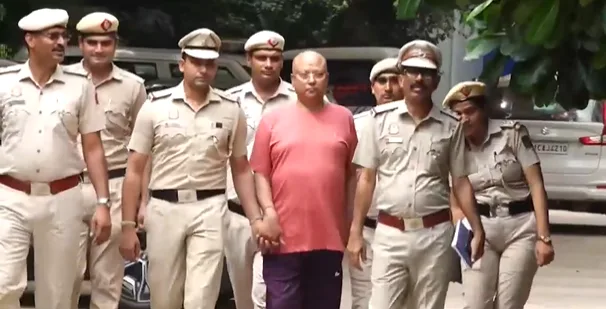
image

New Delhi: Self-styled godman Chaitanyananda Saraswati, also known as Partha Sarathi, has been arrested in Agra on charges of sexual harassment.

At least 17 girl students lodged complaints, accusing him of sending obscene messages, coercing them into sexual relations, and forcing them to accompany him on foreign trips. According to the FIR, he also summoned young women to his private rooms.

Chaitanyananda Saraswati already has multiple cases registered against him, and the Vasant Kunj North Police have taken him into custody for further investigation.

KSRTC Special Services for Navami & Vijayadashami Holidays

0

Thiruvananthapuram: In view of the upcoming Mahanavami and Vijayadashami holidays, the Kerala State Road Transport Corporation (KSRTC) has announced special additional services from September 25 to October 14.

These services will operate between various centers in Kerala and major cities like Bengaluru, Mysuru, and Chennai. Additional schedules include multiple services from Bengaluru to Kozhikode, Malappuram, Thrissur, Ernakulam, Adoor, Kollam, Kottarakkara, Punalur, Cherthala, Haripad, Kottayam, Kannur, Payyannur, Kanhangad, and Thiruvananthapuram, along with routes from Chennai.

Return services from Kerala to Bengaluru and Chennai will run from September 24 to October 13. Tickets can be booked through www.onlineksrtcswift.com or the ‘Ente KSRTC Neo OPRS’ mobile app. For more information, KSRTC has provided dedicated helpline numbers across major cities and a 24×7 control room.

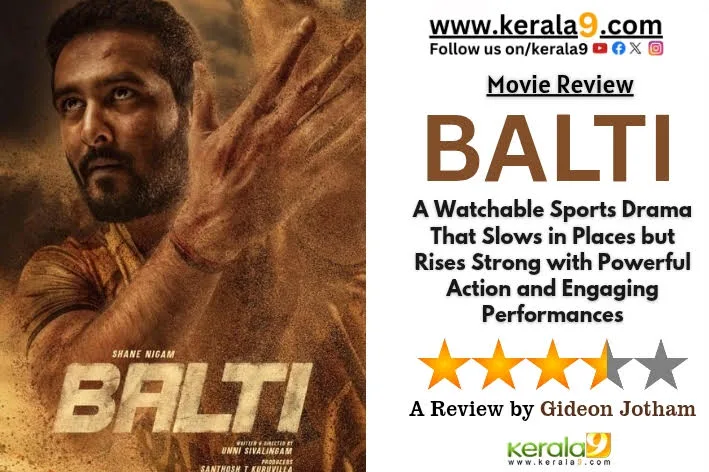
Balti Movie Review: A Watchable Sports Drama That Slows in Places but Rises Strong with Powerful Action and Engaging Performances

0
Balti Movie Review

Balti Movie Review: A Watchable Sports Drama That Slows in Places but Rises Strong with Powerful Action and Engaging Performances

Director: Unni Sivalingam

Writers: Unni Sivalingam, Vinayak Sasikumar

Genre: Sports Action, Drama

Language: Malayalam, Tamil

Runtime: 151 minutes

Positives

  • Strong story foundation
  • Cinematography
  • Engaging screenplay with momentum in the second half
  • Confident direction
  • Powerful performances from the lead and supporting actors
  • Well-choreographed stunts
  • Thumping background score

Negatives

  • Predictable plot beats
  • Rope removal (VFX flaws) that reduce the impact of key scenes
  • Underdeveloped side characters
  • Certain subplots left undisclosed or unfinished
  • Slow pacing in the first half

Direction

Watching Balti feels like boarding a flight that struggles on the runway. The first half moves slowly, circling the ground, testing patience like a plane trying to gather speed but not quite taking off. The pacing feels heavy, the buildup stretched but you sense the director is holding back, preparing for something.

And then, somewhere after that midpoint, the film finally takes flight. Once it’s in the air, Balti soars. The action sequences crackle with energy, the emotions hit harder, and the performances find their rhythm. It’s here that the director shows his brilliance balancing intensity with intimacy, giving weight to both the stunts and the silences. The flight feels steady, strong, and thrilling, as though the turbulence of the first half was worth enduring.

But when the film approaches its end, it doesn’t land it leaves us mid-air, suspended. That unfinished descent isn’t a flaw, though; it’s a promise. The director deliberately closes on an unresolved note, setting the stage for a sequel that transforms this journey into something bigger: a war between two best friends. It’s not just spectacle he’s aiming for, but a saga that continues.

What makes this direction memorable is not just the adrenaline of the action, but the emotional sincerity beneath it. The camera doesn’t just chase violence; it listens to the characters’ silences, the unspoken pain, the weight of choices. Even in its flaws, you feel the director’s hand guiding the story with belief that these characters and their conflicts matter.

In short, Balti is directed like a flight: shaky in takeoff, brilliant in the air, and unfinished in landing, pointing instead to the skies of what’s yet to come.

Story

At its heart, Balti is the tale of four friends kabaddi players bound by loyalty, dreams, and the reckless energy of youth. Their lives take a tragic turn because of one impulsive decision, a choice made without thought, but with consequences that ripple into everything that follows. This single misstep becomes the axis on which their fates spin, turning friendship into fracture and hope into heartbreak.

The conflict with Alphonse and Selvaraghavan’s characters gives the story real spark. Their presence pushes the drama beyond just a sports-to-gangster transition it becomes personal, charged with betrayal and pride. At times, the confrontations feel alive, drawing us into the weight of broken bonds and shifting loyalties.

But for all its intensity, the predictability of the writing weighs the film down. The arcs are familiar the hot-headed choices, the fall from grace, the redemption attempts. It’s a template Kollywood has served many times before, and here it doesn’t always find freshness. The redemption arc in particular feels uneven more like a ticked box than a lived-in journey.

And yet, despite its flaws, Balti manages to survive because of its sincerity. Even when the story falls into cliché, the emotions of these four friends keep it afloat. The idea that one rash decision could unravel everything resonates it feels human, it feels real. We’ve all known moments where one choice changes everything, and Balti leans into that tragedy.

This is not a story of heroes and villains alone it’s the story of friends torn apart, a bond tested in blood and betrayal. The film ends without resolution, holding back its true landing, because the real story is yet to come: a war between two best friends, once brothers, now destined to be enemies. That unfinished note turns a predictable tragedy into the opening chapter of something larger.

Screenplay

The screenplay of Balti is a carefully woven tapestry of friendship, loyalty, and tragedy, but it doesn’t shy away from showing the fragility of human choices. At its core, it’s the story of four friends whose bond is tested by a single impulsive decision a choice made in haste, without foresight, that sets off a chain reaction of consequences. The screenplay captures not just the external conflicts confrontations with Alphonse and Selvaraghavan but also the internal struggles of each character, showing how guilt, fear, and pride shape their actions.

One of the screenplay’s strengths is how it balances mass-action beats with quieter, more introspective moments. The early sequences linger to build tension and establish relationships, allowing the audience to understand who these friends are and why their bond matters. Scenes on the kabaddi field aren’t just sports sequences they’re narrative devices that mirror loyalty, competition, and the first cracks in their unity.

However, the screenplay isn’t without flaws. Predictable story beats, especially in the first half, occasionally undercut suspense. Certain subplots, such as the uneven redemption arc, feel rushed or underdeveloped, leaving the audience wanting more depth in understanding motivations. Some emotional moments could have been given extra space to resonate, but the screenplay often pivots quickly to action, prioritizing pace over reflection.

Despite these issues, the screenplay succeeds in maintaining engagement through its emotional core. The conflicts feel personal, the stakes feel real, and even predictable sequences are buoyed by the performances and direction. The flow of tension from friendship to betrayal, from remorse to confrontation is structured in a way that keeps viewers invested, particularly once the story takes off in the second half.

Finally, the screenplay masterfully sets up a sense of continuation. The film never fully “lands,” ending instead on a note of unresolved tension and the promise of a larger conflict the impending war between two best friends. This deliberate choice transforms the screenplay from a single story into the opening chapter of a saga, giving it a sense of scale and ambition that extends beyond the runtime.

Cinematography & Visuals

If there’s one department where Balti truly soars, it’s the cinematography. Every frame feels alive, not just in action, but in emotion. The camera doesn’t simply capture events it feels them. From the subtle expressions of Shane, Santhanu, and Selvaraghavan to the intensity of on-field kabaddi clashes, the visuals carry a heartbeat of their own.

Action sequences are dynamic and immersive, but what really sets the cinematography apart is its ability to capture quiet moments with equal power. A glance, a lingering shadow, a fleeting expression of regret or camaraderie these shots linger long after the scene ends. It’s the kind of work that makes you pause and appreciate the storytelling craft, making the audience feel deeply connected to the characters’ world.

In short, the cinematography doesn’t just show the film it elevates it. It transforms Balti from a mass-action drama into a visually and emotionally engaging experience. It’s polished, precise, and yet somehow raw enough to feel authentic. Simply put: it’s just wow.

Editing & Flow

The editing in Balti mirrors the flight-like journey of the film sometimes struggling on the runway, and then soaring once it hits its rhythm. The first half drags at moments, with sequences that linger a little too long, creating a sense of tension that’s more fatigue than suspense. It feels like the film is testing patience, giving space for the characters and story to breathe but not always successfully.

Once the second half kicks in, however, the editing finds its pace. The cuts sharpen the action, heighten the drama, and give the emotional beats room to land. Scenes flow with purpose, and the rising tension feels natural rather than forced. The interplay between quieter, introspective moments and high-octane action sequences is well-managed, making the audience feel every beat, every decision, and every betrayal along with the characters.

There are occasional moments where indulgent slow-motion or stretched sequences pull the viewer out of immersion, but they never dominate. Overall, the editing supports the emotional pulse of the story, keeping the audience invested even when the screenplay leans on predictable beats. Balti flows like a plane that, after struggling on the runway, finally finds the skies steady, exhilarating, and ready for what’s next.

Music & Sound

The music in Balti has its highs and lows. The songs are visually energetic, with choreography that aims to be vibrant and dynamic, but they often fall short of leaving a lasting impression. Some sequences feel stiff or repetitive, lacking the fluidity and creativity that could have made them memorable. Instead of enhancing the narrative or deepening the characters, they act more as commercial detours colorful pauses that momentarily break the tension without adding real emotional weight.

The background score (BGM), in contrast, does a fair job of supporting the film. It punctuates action scenes with bursts of intensity, helping the audience feel the stakes during fights and confrontations. Emotional moments are gently underscored, giving weight to key scenes. However, the score doesn’t surprise or innovate; it plays it safe, following predictable motifs and rhythms that align with the genre without elevating it.

In essence, the music and sound in Balti serve the narrative they don’t distract, but they don’t truly elevate the experience either. The songs miss the emotional mark, and while the BGM provides necessary tension, it rarely becomes memorable. It’s functional and adequate, rather than outstanding, leaving the film dependent more on its story and performances to carry impact.

Performances

Shane Nigam:
Shane steals the show with his mannerisms and on-screen presence it’s pure OMG moments. Every look, gesture, and movement carries weight, making even quiet scenes feel electric. His intensity in action sequences and subtlety in emotional beats show a range that keeps the audience hooked. He doesn’t just act he embodies the character, making the struggles and choices of his role feel deeply personal.

Santhanu Bhagyaraj:
Santhanu brings a natural ease to his role. He doesn’t overplay or exaggerate; instead, he inhabits the character with authenticity, making his dialogues and expressions feel grounded and relatable. Whether in tense confrontations or reflective moments, Santhanu’s performance adds balance and realism, complementing Shane’s intensity perfectly.

Selvaraghavan:
And then there’s Selvaraghavan the real beast of the film. His presence is commanding, his expressions layered, and his energy magnetic. Even in scenes where the screenplay gives him minimal room, he manages to dominate the frame, leaving a lasting impression. His aura and delivery elevate every conflict he’s part of, making the stakes feel higher and the story richer.

Supporting Cast:
Unlike many films where secondary characters fade into the background, Balti gives most supporting actors nearly equal importance. Their arcs are meaningful, their interactions with the leads feel natural, and they contribute to the story’s emotional depth. Only a few minor characters remain underdeveloped, but by and large, the ensemble adds richness and texture, making the world feel lived-in and balanced.

Action & Stunts

The action in Balti is one of its most unforgettable aspects, and it’s not just about choreography it’s about telling the story through physicality and stakes. Every stunt carries weight, both literally and emotionally. You feel Shane, Santhanu, and Selvaraghavan inhabiting their roles, and when they clash, it’s not just a fight it’s a conflict of friendship, pride, and betrayal. Blood splashes, impacts land with palpable force, and every fall or tumble feels real, never staged or artificial. That realism is what makes the stunts hit harder, leaving an impression that lingers beyond the cinema hall.

What’s remarkable is how the action balances spectacle with narrative purpose. The kabaddi sequences, for instance, aren’t just sports they foreshadow tension, highlight team dynamics, and show the physical and emotional stakes of their friendship. Similarly, the confrontations with Alphonse and Selvaraghavan are choreographed to make the audience feel the danger and the character’s desperation, rather than just watching a list of punches and kicks.

There are moments where the stunts could have been slightly tighter or more inventive, and a few sequences have minor loose ends in execution. But these are almost imperceptible because the energy, intensity, and authenticity carry the scenes. The way the camera follows the action, lingering on faces, sweat, and movement, adds a layer of immersion that makes every confrontation feel lived-in and urgent.

It’s also worth noting the emotional resonance of the action. Unlike films where fights are empty spectacle, here each clash has context friendship threatened, revenge sought, pride at stake. You find yourself invested, not just entertained. That’s why every fight, every chase, and every stunt in Balti feels like it has a special place in your heart. It’s not just about seeing action it’s about feeling it, and in that sense, the film succeeds brilliantly.

In short, the stunts in Balti are a perfect marriage of realism, intensity, and storytelling. Even with minor imperfections, they elevate the film, make the characters’ struggles tangible, and give audiences adrenaline-fueled moments that are both thrilling and emotionally satisfying.

⭐ Final Verdict & Rating

Balti is a film that soars and stumbles in equal measure, much like a plane struggling on the runway before finally taking flight. Its first half tests patience with predictable beats and a slower pace, but once the story lifts, the film finds its rhythm delivering thrilling action, emotional stakes, and compelling performances that keep the audience invested.

The real strength lies in the heart of the story the bond of four friends, the consequences of one rash decision, and the tensions that arise from loyalty and betrayal. Shane, Santhanu, and Selvaraghavan bring these characters to life with energy, authenticity, and intensity, while the supporting cast adds texture and balance. Cinematography and action sequences elevate the visual and visceral experience, even if some songs and minor narrative gaps leave room for improvement.

Ultimately, Balti isn’t perfect, but it entertains, engages, and leaves the audience wanting more. The unresolved ending promises a larger conflict and sets up the stage for a sequel a war between two best friends that keeps viewers thinking long after the credits roll.

Rating: ⭐ 3.5 / 5

A Review by  Gideon Jotham

Public Holiday Declared for Navaratri

0

Thiruvananthapuram: The state government has declared a public holiday on Tuesday, September 30, in connection with Navaratri celebrations. The order applies to government offices, public sector institutions, professional colleges, and educational establishments under the Negotiable Instruments Act.

However, legislative staff will remain on duty as the Assembly session is scheduled for the same day. October 1 and 2 are already listed as public holidays in the state.

Rahul Gandhi’s Bail Plea Rejected

0

New Delhi: The Allahabad High Court has rejected Rahul Gandhi’s bail plea in a case linked to alleged anti-Sikh remarks. The comments were reportedly made during a speech in the United States.

While an Additional Chief Magistrate had earlier dismissed the petition filed against him, the Varanasi court ordered the matter to be reconsidered. Rahul then moved the High Court, which has now ruled that proceedings must wait until the Varanasi court delivers its verdict.

Dulquer Salmaan Moves High Court Against Customs Seizure

0

Kochi: Actor Dulquer Salmaan has approached the Kerala High Court challenging the Customs Department’s seizure of his vehicles during Operation Nookkhor. The petition claims that the vehicles are legally owned and requests that they be returned.

The Customs Department had recently raided Dulquer’s residence as part of its probe into luxury cars imported into Bhutan under false addresses to evade taxes before being moved to other parts of India. Operation Nookkhor is focused on dismantling such smuggling networks.