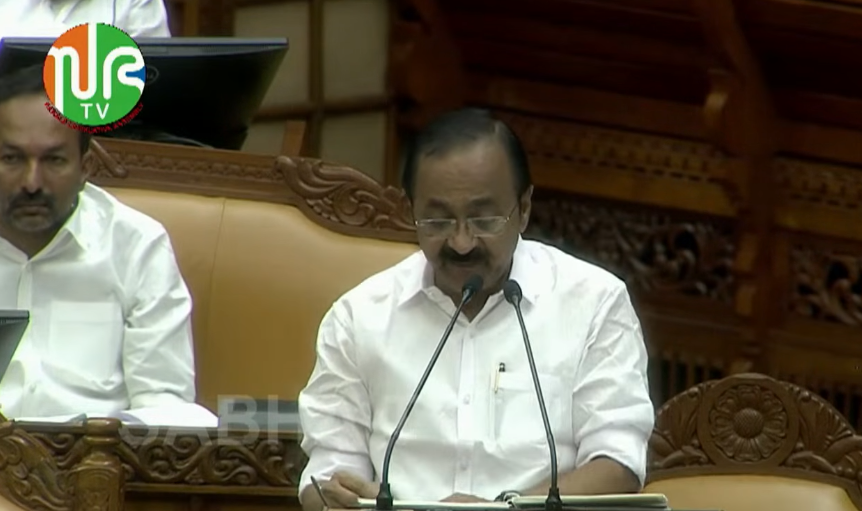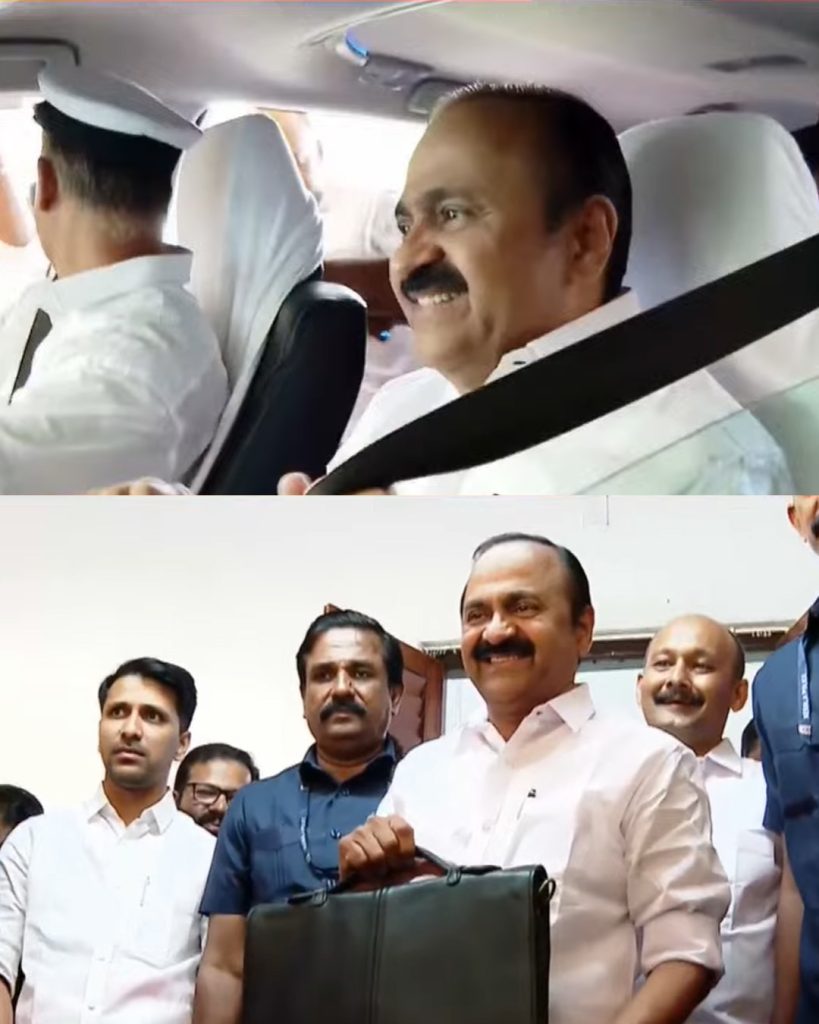
THIRUVANANTHAPURAM: Chief Minister and Finance Minister V.D. Satheesan presented the revised state budget for the fiscal year 2026-27 during the first session of the 16th Kerala Legislative Assembly. Marking the maiden budget of the newly formed UDF government, this revised fiscal plan introduces sweeping changes to the initial budget presented earlier in January.
Themed around ‘Puthuyugam Kerala’ (New Era Kerala), the budget strikes a fine balance between major infrastructure upgrades and immediate social welfare relief. Addressing the assembly, the Chief Minister highlighted that despite the state’s towering debt burden of ₹5.07 lakh crore, the government aims to generate revenue through disciplined fiscal management without imposing any excessive tax burdens on the common public.
Here is a comprehensive, sector-wise breakdown of all the major announcements made in the 2026 Kerala Budget:
1. Agriculture & Allied Sectors: Major Relief for Rubber Farmers
Fulfilling a major election promise, the government has announced a massive hike in the minimum support price (MSP) for rubber, providing a significant financial shield to the state’s struggling high-range agrarian community.
- Rubber Support Price: The minimum support price for rubber has been officially increased from ₹200 per kg to ₹250 per kg.
- Total Agriculture Outlay: A total of ₹1,535 crore has been earmarked for the agricultural sector.
- Procurement Efficiency: Paddy procurement systems will be completely streamlined to ensure immediate direct-benefit transfers into farmers’ accounts. Specialized local procurement hubs will also be set up for coconut farmers.
- Dairy Development: Allocated ₹102 crore with a clear roadmap to escalate daily milk production to 1 crore liters within the next 3 years, aiming for absolute self-sufficiency.
- Fisheries & Coastal Shield: The kerosene subsidy for traditional fishermen has been enhanced to ₹75 per liter. Additionally, a fast-track land-title (pattayam) and housing scheme has been introduced for homeless fishermen families.
2. Transport & Automobiles: Big Tax Incentives for EVs and Fleet Operators
To aggressively drive the adoption of clean energy and support a heavily distressed private public-transport sector, the budget introduced extensive tax revisions:
- Electric Cars Get Cheaper: The road tax slabs for newly registered electric cars have been scaled down considerably to make green mobility highly affordable.
- 50% Relief for Private & Tourist Buses: Addressing long-standing demands, the quarterly tax for private stage carriages (private buses) and tourist buses has been slashed by 50 percent. Vehicles operating under the All India Tourist Permit (AITP) will also benefit from this, which the government expects will curb out-of-state vehicle registrations.
Revised EV & Commercial Vehicle Tax Structure
| Vehicle Category / Price Range | Old Tax Rate | New Budget Tax Rate |
| Electric Cars (Up to ₹10 Lakhs) | 5% Road Tax | Reduced to 3% |
| Electric Cars (₹10 Lakhs to ₹15 Lakhs) | Unchanged | No Change |
| Electric Cars (₹15 Lakhs to ₹20 Lakhs) | 8% Road Tax | Reduced to 5% |
| Private Buses & Tourist Buses | Full Quarterly Tax | 50% Tax Cut |
3. Mega Infrastructure & Economic Hubs: ‘Mission Samudra’
- Mission Samudra: Launched with an initial allocation of ₹400 crore, this flagship maritime policy aims to put Kerala’s 600-km coastline and 13 minor ports on the global maritime map. Development at the Vizhinjam and Beypore ports will be expedited, alongside a newly planned mega shipbuilding facility that will guarantee job reservations for local coastal youth.
- International Maritime Museum: An allocation of ₹50 crore has been set aside for a state-of-the-art museum celebrating Kerala’s ocean heritage.
- PWD & Road Networks: The Public Works Department receives an expansive allocation of ₹5,952 crore, which includes ₹100 crore exclusively for the Balaramapuram-Navaikulam Ring Road project.
- KIIFB Structural Reforms: Citing that off-budget liabilities created fiscal instability in the past, the Chief Minister announced that an expert committee will restructure the Kerala Infrastructure Investment Fund Board (KIIFB) to responsibly execute pending projects worth ₹35,000 crore.
4. Social Welfare & Women’s Safety
- Indira Guarantee (Free Bus Travel): Dedicated ₹600 crore to launch the first phase of free ordinary KSRTC bus travel for women and transgender individuals.
- Welfare Pensions: Set aside ₹14,500 crore to ensure regular, uninterrupted monthly distribution of social security and welfare board pensions.
- Government Employees: Transitioning to a new Assured Pension Scheme to replace the current national pension framework. Furthermore, the first installment of pending Dearness Allowance (DA) arrears will be disbursed next month, with a new pay revision commission coming into effect shortly.
- ‘Avalkoppam’ Scheme: A specialized women-safety initiative named ‘Avalkoppam’ (With Her) has been rolled out, ensuring the deployment of more women Station House Officers (SHOs) across state police stations.
5. Education, IT, and Entertainment
- Siddharthan Anti-Ragging Welfare Act: To permanently eliminate ragging and make higher education campuses safer and more female-friendly, a strict anti-ragging welfare legislation will be introduced in the assembly.
- Connect to Work IT Initiative: ₹400 crore has been allotted to the Chief Minister’s employment drive to upskill and connect youth with modern IT and technology jobs. Concurrently, the Kozhikode Cyberpark will be upgraded to match Infopark standards.
- J.C. Daniel International Film City: Allocated ₹100 crore to construct a world-class film city hub in Kochi, backed by a dedicated anti-piracy cell to legally protect cinema content creators.
- Haripad Medical College: The healthcare framework receives a major boost with a total allocation of ₹2,076 crore, featuring the revival and setting up of the Haripad Government Medical College.
Additional Fiscal Notes: To mobilize revenue smoothly, the state will see a minor price hike in Indian-Made Foreign Liquor (IMFL). A fresh tax slab has also been structured for low-alcohol beverages.