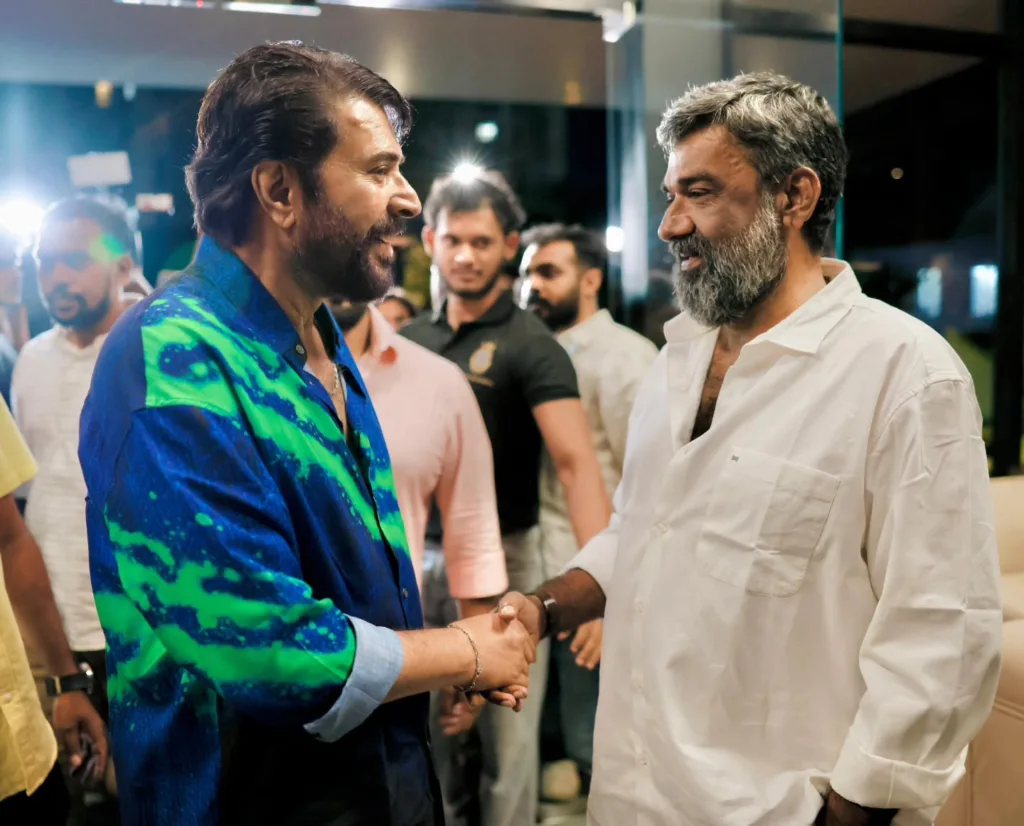
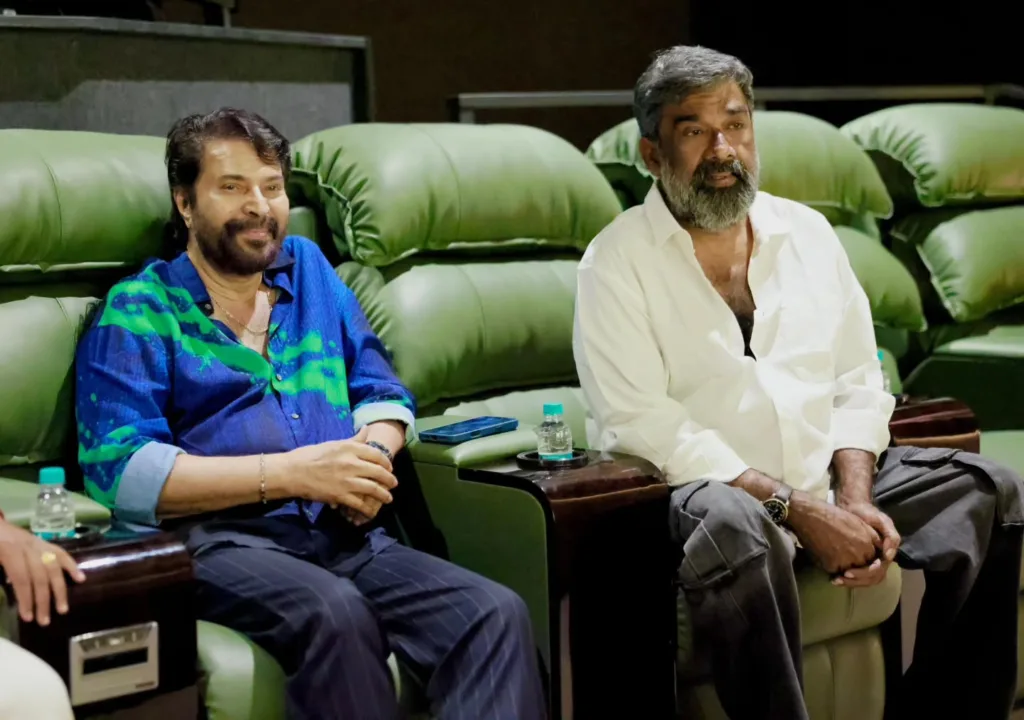
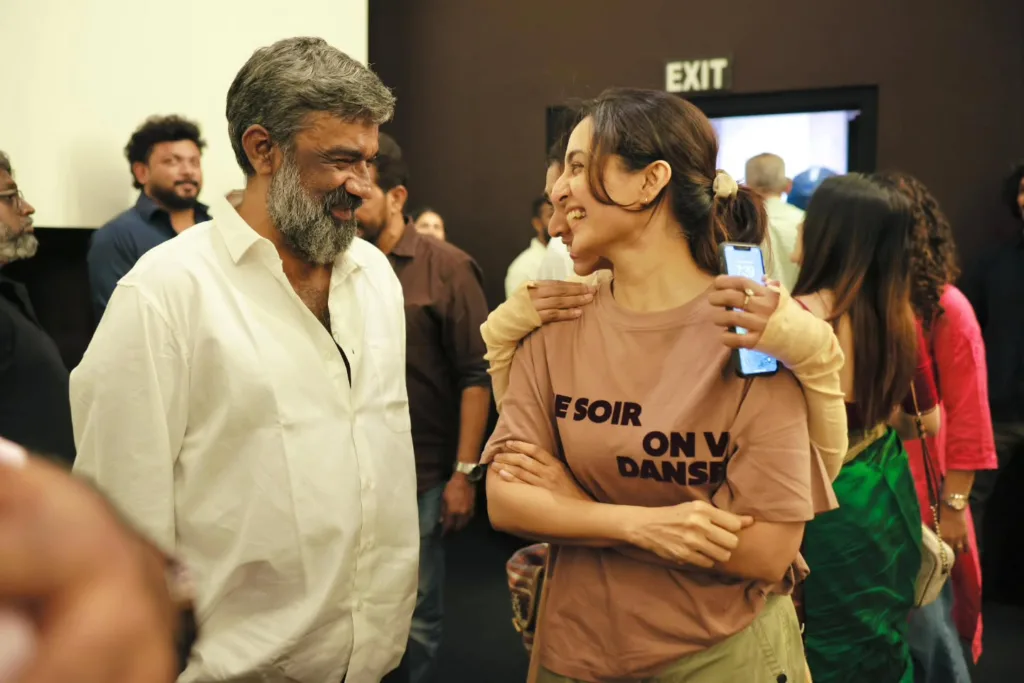
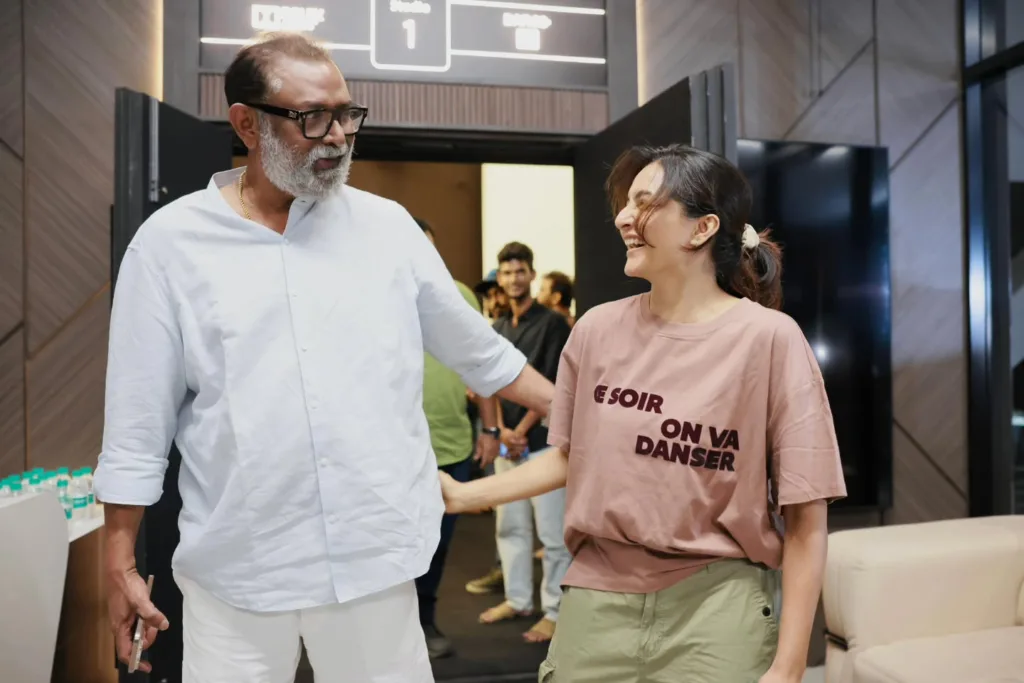
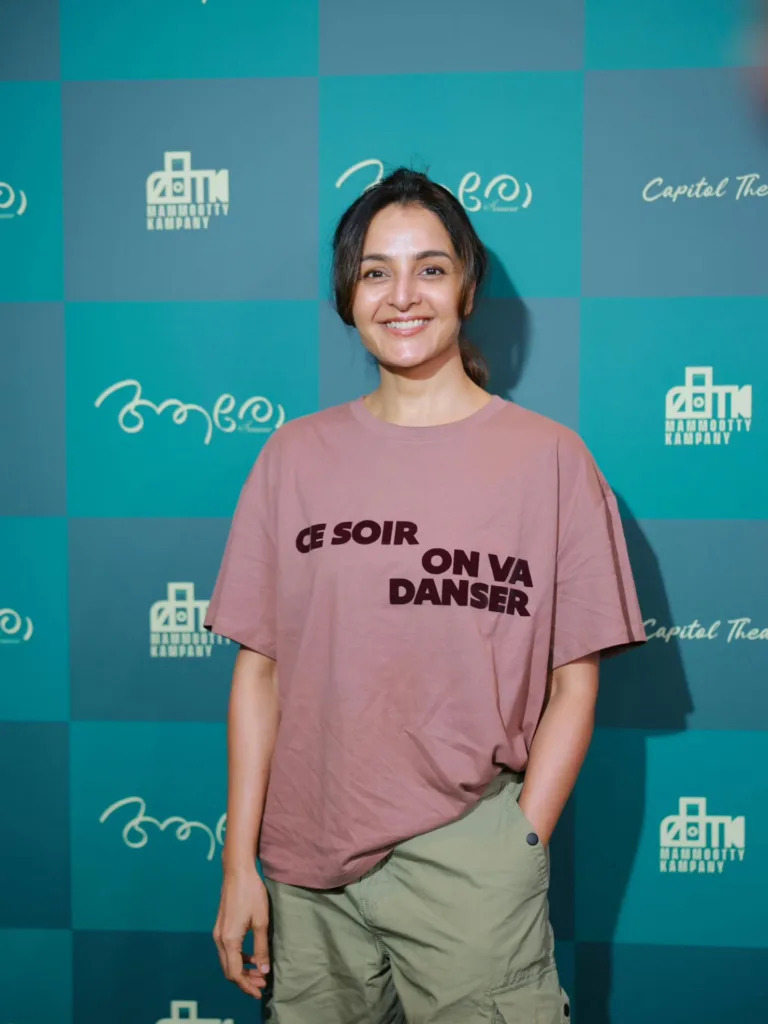
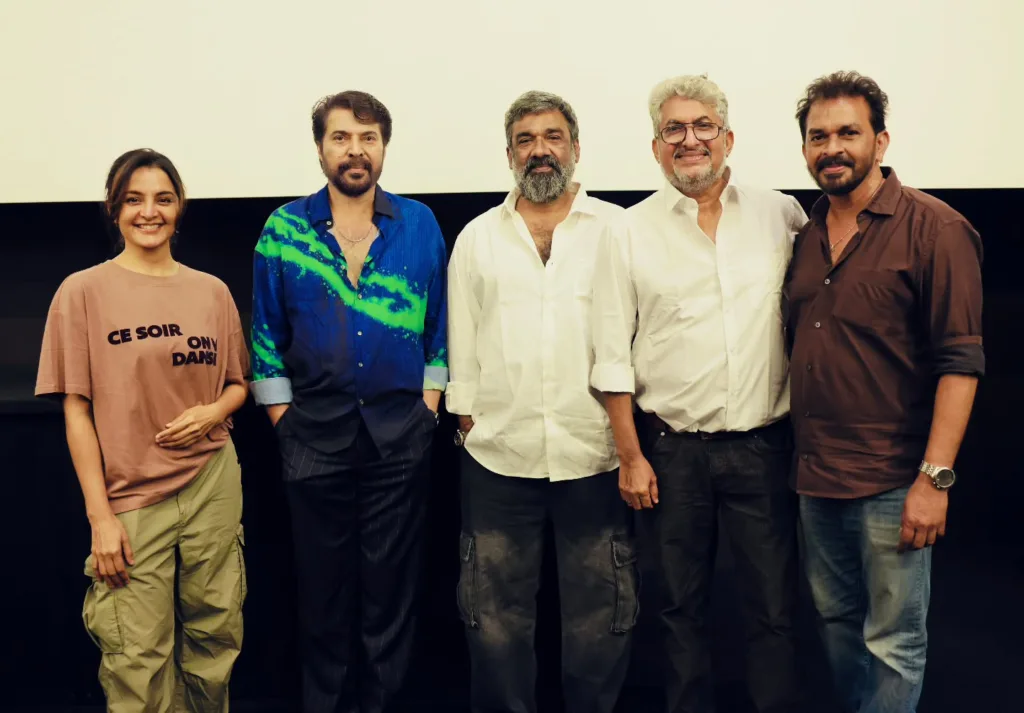
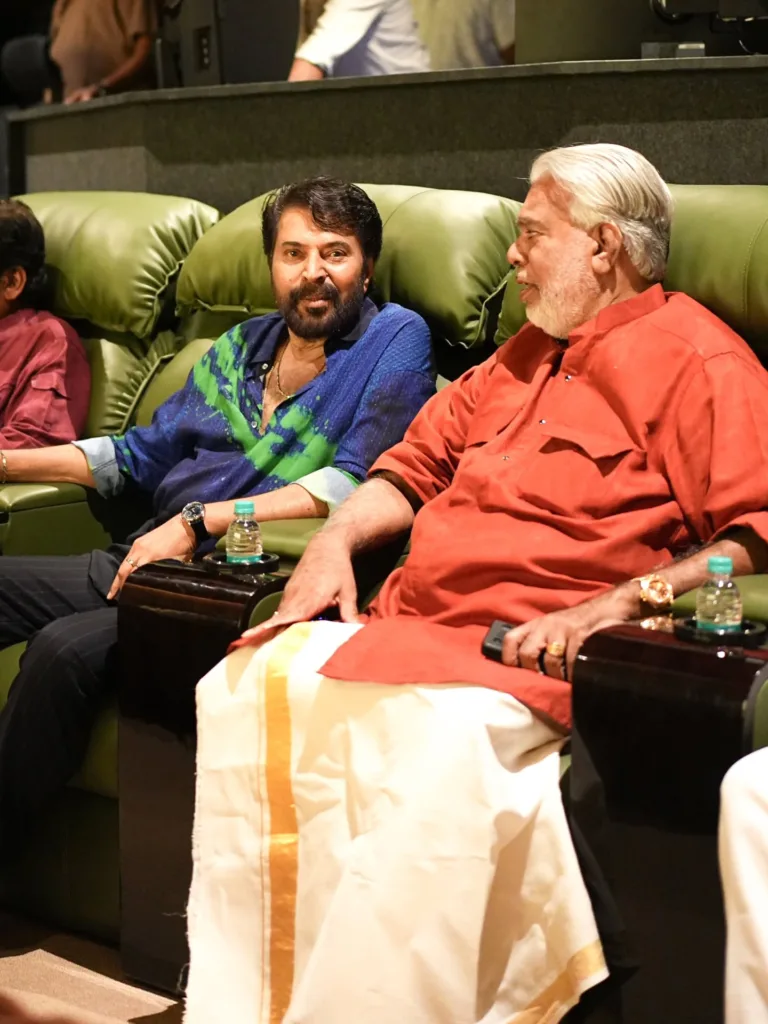
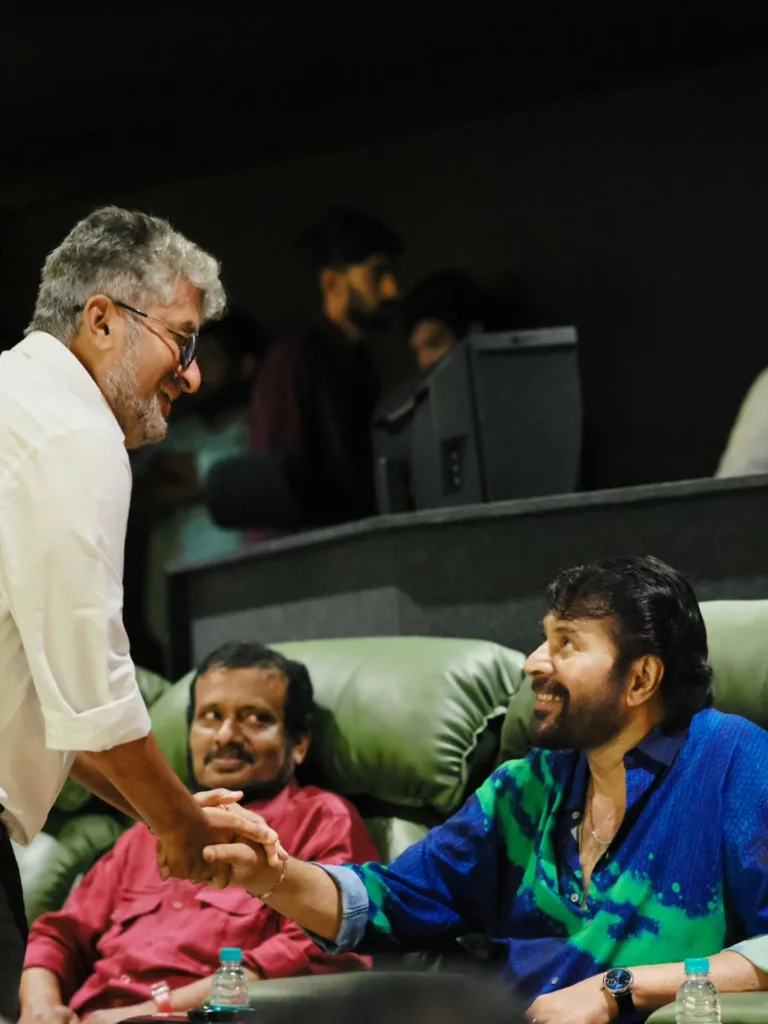
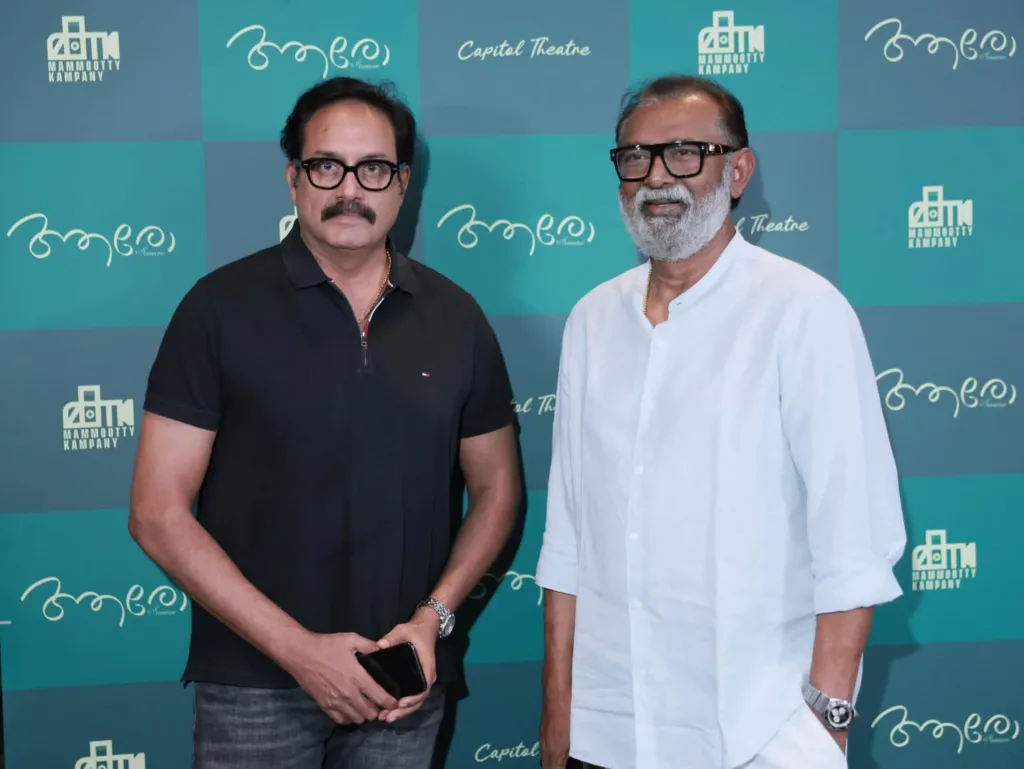
Celebrities at Preview Show Event of Aaro A Short Fiction by Ranjith Photos – Aaro Starring : Shyamaprasad , Manju Warrier , Azees Nedumangad
Celebrities at Preview Show Event of Aaro A Short Fiction by Ranjith Photos – Aaro Starring : Shyamaprasad , Manju Warrier , Azees Nedumangad
Kochi: In a major development in the Sabarimala gold theft case, jeweller Govardhan has given a statement against accused Unnikrishnan Potti. According to his testimony, Potti sold Sabarimala’s stolen gold to him for ₹15 lakh.
Govardhan also stated that Potti had collected around ₹70 lakh in the name of Sabarimala. Recently, the Special Investigation Team (SIT) arrested former Devaswom Board Executive Officer Sudheesh Kumar in connection with the case. Investigators found that Sudheesh was involved in melting down the stolen gold and had played a role in the conspiracy.
Patna: Former MLA and JD(U) candidate Anant Singh has been arrested in connection with the murder of a Jan Suraj party worker. The arrest took place early Sunday morning. Police have also taken into custody his associates Manikant Thakur and Ranjit Ram.
The victim, Dular Chand Yadav, was killed on Thursday while participating in an election campaign for Priyadarshi Piyush, a Jan Suraj Party candidate from Mokama constituency and Yadav’s relative.
Geneva: Ongoing civil war in Sudan has intensified violence across the country. Reports suggest that the paramilitary group that captured the city of El Fasher has been carrying out systematic mass killings. Around 460 people were massacred at Saudi Hospital.
The Rapid Support Forces (RSF), leading the rebel offensive, have seized control of North Darfur, triggering mass displacement in the region. For the past 18 months, RSF troops have besieged El Fasher, attacking homes and hospitals. Numerous people have been subjected to sexual violence and many have lost their lives.
Witnesses report that the attackers abducted doctors and nurses from the hospital, returned later, and shot dead other staff, patients, and attendants. The forces allegedly came back again to kill the remaining survivors.
Kochi: Kerala has reported another case of amoebic meningoencephalitis (brain fever). The latest case has been confirmed in Kochi, and the patient is a native of Lakshadweep. The individual is currently undergoing treatment at a private hospital in Kochi after being diagnosed with the infection while working in Edappally.
According to the District Medical Officer, the patient’s condition is stable. Recently, a 65-year-old man from Palathara in Kollam had died while undergoing treatment for the same infection. In October alone, 65 cases of amoebic meningoencephalitis were reported in the state, with 12 deaths recorded.

The Travancore Devaswom Board (TDB) has announced that Virtual Queue booking for devotees participating in the upcoming Sabarimala Mandala Makaravilakku pilgrimage 2025 – 2026 will commence on November 1 at 5:00 PM (IST).
The TDB has significantly enhanced the insurance and welfare coverage for pilgrims and staff this season:
The Travancore Devaswom Board urges all devotees to utilize the online Virtual Queue booking system as the booking ID will be considered the primary document for availing the insurance coverage.

An e-pass system is being made mandatory for all visitors entering Valparai, a popular hill tourism area nestled in the Anamalai Tiger Reserve, starting tomorrow, November 1, 2025. This regulation is being enforced following a directive from the Madras High Court to regulate tourist entry into the sensitive ecological region.
Travelers can register for the mandatory e-pass through the official website: www.tnepass.tn.gov.in/home.
For visitors traveling from Kerala, registration and inspection facilities have also been set up at the two entry points on the Coimbatore district border:
Revenue, local self-government, police, and Forest Department officials have been assigned to these locations to facilitate registration and verification of the e-passes.
The District Collectorate has also issued a separate notice announcing a strict ban on the use and transport of plastic materials by visitors, stating that any plastic items found will be confiscated.
Key exemptions and conditions include:
The extension of the e-pass mandate to Valparai follows similar requirements already in place for the Nilgiris district and Kodaikanal.
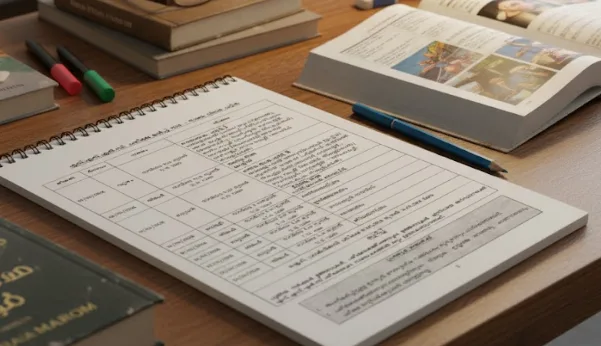
The time schedule (Time Table) for the much-awaited SSLC (SSLC 2026) / Class 10 Annual Examination for students in Kerala has been published. The detailed schedule for this public examination, which is set to be held in March 2026, is provided below.
Kerala SSLC 2026 Main Examination Time Table 2026
| Date | Day | Time | Subject |
| 05/03/2026 | Thursday | 9:30 AM to 11:15 AM | First Language – Part I: Malayalam/Tamil/Kannada/Urdu/Gujarati/ Additional English/ Additional Hindi/Sanskrit (Academic)/ Sanskrit Oriental – Paper I (for Sanskrit Schools) Arabic (Academic)/ Arabic Oriental – Paper I (for Arabic Schools) |
| 09/03/2026 | Monday | 9:30 AM to 12:15 PM | Second Language – English |
| 11/03/2026 | Wednesday | 9:30 AM to 11:15 AM | First Language – Part II: Malayalam/Tamil/Kannada/Special English/Fisheries Science (for Fisheries Technical Schools)/ Arabic Oriental – Paper II (for Arabic Schools)/ Sanskrit Oriental – Paper II (for Sanskrit Schools) |
| 13/03/2026 | Friday | 9:30 AM to 12:15 PM | Third Language – Hindi / General Knowledge |
| 16/03/2026 | Monday | 9:30 AM to 12:15 PM | Mathematics |
| 18/03/2026 | Wednesday | 9:30 AM to 11:15 AM | Physics |
| 23/03/2026 | Monday | 9:30 AM to 12:15 PM | Social Science |
| 25/03/2026 | Wednesday | 9:30 AM to 11:15 AM | Chemistry |
| 30/03/2026 | Monday | 9:30 AM to 11:15 AM | Biology |
The IT Practical Examination is scheduled to be held from 01/02/2026 to 14/02/2026.
Students appearing for the examination must keep the following important points in mind, as provided along with the timetable:
Disclaimer: The SSLC examination timetable is subject to change. Therefore, students preparing for the exam must confirm the exact examination dates, times, and subjects with their respective schools well in advance.
Wishing all students great success in their examinations!

Pranav Mohanlal Movie Dies Irae Review: ONE WORD: Flawless, Fearful, and Brilliant — Dies Irae Sets a New Standard of Cinematic Brilliance in Indian Cinema
A Review by Arunjyothi R
LANGUAGE: Malayalam
DURATION: 01 Hours 55 Minutes
DIRECTOR: Rahul Sadasivan
GENRE: Horror Thriller
POSITIVES:
1: Direction
2: Sound Mixing
3: Background Score
4: Story and Screenplay
5: Cinematography
6: Performance of actors
7: Editing
8: Horror Scenes
9: Lighting Techniques
10: Performance of every actors
11: Art Direction
12: VFX
NEGATIVES:
NOTHING TO MENTION
STORY: The story centers on Rohan, an easygoing architect born into wealth, living alone in a sprawling mansion that reflects his taste for luxury and indulgence, yet his life lacks any real direction. His days drift by in comfort until the news of a former classmate’s sudden suicide disrupts his calm routine. Along with a friend, he decides to stop by her house—just to pay respects.. But that visit marks the beginning of something strange. From that moment on, Rohan’s seemingly perfect life begins to unravel, as unsettling and mysterious incidents start haunting him, leading him into a spiral of fear and confusion.
REVIEW & ANALYSIS OF THE FILM:
Dies Irae stands out as a supernatural horror experience that boldly defies the conventions of Malayalam cinema. Director Rahul Sadasivan crafts a film that goes far beyond routine horror formulas, there are no exaggerated jumpscares, no overdone gore, and no unnecessary melodrama. Instead, he builds terror through atmosphere, tension, and silence. It’s a film that breathes fear through subtlety rather than spectacle. From the very beginning, Dies Irae establishes itself as a slow-burning yet intense horror thriller that grips you with its immersive visuals, unsettling tone, and a sense of psychological unease that only deepens as the story unfolds.
Rahul, who previously delivered remarkable works like Bhoothakalam and Bramayugam, once again demonstrates his exceptional control over mood and craft. His direction and making style are on par with the finest cinematic standards, where every frame reflects precision and purpose. The narrative unfolds around Rohan, an affluent architect whose peaceful life spirals into chaos after an unexpected visit to his late classmate’s house. From that point, his opulent mansion, once a symbol of comfort and success, becomes a silent, suffocating character in itself. The film smartly uses its setting to evoke fear: wide hallways, pristine white interiors, and architectural symmetry turn into haunting spaces that trap both Rohan and the viewer in a claustrophobic nightmare. The writing, rich in psychological depth and mystery, keeps the tension alive till the end, merging grief, guilt, and the supernatural into one gripping emotional current.
What makes Dies Irae truly spine-chilling is Rahul’s refusal to rely on gore or typical ghostly appearances. He instead orchestrates horror through sound, shadows, and stillness. The sound design by Jayadevan Chakkadath and sound mixing by M. R. Rajakrishnan elevate the terror to an extraordinary level, every whisper of wind, every creak, every silence becomes a part of the haunting. The background score by Christo Xavier complements this beautifully, amplifying emotions without overwhelming the senses. His music respects the silence — using it as a tool to make moments of quiet more terrifying than any scream. This perfect balance between sound and silence makes Dies Irae a masterclass in sensory horror, where fear is felt more than it is seen.
In Dies Irae, the soundscape stands as one of the film’s most haunting and defining features, turning the supernatural narrative into an immersive, nerve-tightening experience. The combined brilliance of M.R. Rajakrishnan’s sound mixing and Jayadevan Chakkadath’s sound design crafts an eerie atmosphere that lingers long after each scene fades. Every faint gust of wind, creaking floorboard, and echoing whisper inside the mansion is meticulously designed to heighten the fear. The sound doesn’t just accompany the visuals, it dictates the rhythm of terror. The balance between silence and sudden bursts of sound creates a psychological trap where the audience anticipates dread even before it appears. In theatres, this layering makes the experience terrifyingly real, you feel the sound moving around you, creeping closer, wrapping you in unease. The way certain sounds travel across space, sometimes distant and sometimes unnervingly close, keeps you caught between what’s heard and what’s imagined.
What makes this soundscape extraordinary is how it transforms ordinary noises into symbols of the unseen. Rajakrishnan’s expert mixing ensures every tone resonates with purpose, while Jayadevan’s design turns the mundane into the menacing, he flicker of electricity, the faint hum of air, or a quiet heartbeat morph into harbingers of the supernatural. During the horror sequences inside the mansion, sound becomes the soul of the scene — the echoing corridors, the sharp breaths, and the deep bass hums make the viewer feel imprisoned within the same haunted space as the characters. The silence is just as frightening as the noise, amplifying tension until even a soft footstep feels like an explosion. Together, the sound design and mixing make Dies Irae not just a film to watch but a horror to experience, proving that true fear often begins in what we hear, before we even see it.
Rahul Sadasivan’s story and screenplay form the true backbone of Dies Irae, carefully crafted to elevate supernatural horror beyond clichés. Instead of depending on cheap jump scares or grotesque imagery, Rahul constructs terror through psychological tension and atmospheric dread. The writing grips from the very beginning, the backstory feels grounded and c, giving enough emotional weight to the central character’s descent into chaos. Every supernatural occurrence stems from a believable emotional conflict, making the horror feel disturbingly real. The screenplay unfolds like a slow-burning nightmare, where each scene pulls you deeper into the protagonist’s unraveling sanity. The pacing is deliberately measured, keeping the audience guessing while never loosening its eerie grip.
What makes the writing stand out is how the fear is felt, not forced. The scary sequences are penned with precision, blending subtle dread with sudden moments of spine-chilling impact. The mansion itself becomes a living entity, responding to the character’s emotions, secrets, and guilt, a brilliant metaphor that Rahul weaves into the narrative. Each twist and conflict is written to sustain both mystery and emotion, so even when the supernatural elements take center stage, the human drama beneath never fades. The dialogues are minimal yet meaningful, allowing silence and atmosphere to speak louder than words. By the time the tension builds toward the climax, the film transcends into something more than a ghost story, it becomes a deeply unsettling reflection on the human mind, guilt, and fear. Rahul’s writing ensures that Dies Irae doesn’t just scare you for a moment; it haunts you long after you leave the theatre.
Shehnad Jalal’s cinematography is nothing short of breathtaking. Each frame feels meticulously designed to serve the narrative, using stillness, symmetry, and lighting to invoke unease. The camera often lingers longer than expected, forcing the audience to search the shadows and question what might emerge. The choice of framing, particularly in the mansion sequences, enhances the sense of isolation and psychological terror. Jalal turns architectural beauty into something menacing , where light and emptiness coexist in unsettling harmony.
Editing by Shafique Mohammed Ali brings precision to the chaos, ensuring that the narrative’s tension never breaks. The cuts are deliberate, allowing moments to breathe when fear needs to sink in, and tightening when the horror peaks. The parallel narrative flow in the latter half is handled with deft control, maintaining suspense without confusion. His editing rhythm mirrors the protagonist’s mental disarray, erratic, controlled, and disturbingly immersive.
The horror sequences in Dies Irae are a masterclass in restraint, precision, and psychological impact. Rather than overwhelming the audience with mindless jump scares or exaggerated visuals, Rahul Sadasivan builds his terror from the inside out, through mood, silence, and suggestion. The fear creeps in slowly, seeping through the cracks of Rohan’s luxurious mansion, which soon transforms into a claustrophobic maze of dread. The first half is packed with spine-chilling moments, where every creak, whisper, and flicker of shadow feels intentional. Scenes like the faint echoes behind the walls, doors opening on their own, or the unnerving distortion of reflections are executed so naturally that the line between reality and hallucination begins to blur. What truly elevates these moments is their emotional core, the horror isn’t just about what lurks in the dark, but how Rohan’s own guilt and confusion amplify the fear around him.
As the film moves toward its climax, the tension reaches a feverish pitch. The eerie calm of the mansion collapses into a series of disturbing and intense sequences that leave you both mesmerized and unsettled. Some of the scenes are genuinely uncomfortable to watch, not because of overdone gore, but due to the raw, psychological violence that grips the screen. The supernatural chaos is rendered with such conviction that it feels uncomfortably real — every scream, every thud, every flicker of light contributes to an atmosphere that’s almost suffocating. By the time the final act unfolds in the old house, the film gives you that weird, crawling sensation that lingers long after the credits roll. The combination of realistic soundscapes, subtle VFX, and meticulous direction makes Dies Irae one of those rare horror films where the terror doesn’t just appear, it stays with you.
Lighting plays a pivotal role in shaping the supernatural tone of the film. The soft glow of chandeliers, the pale wash of moonlight, and the strategic use of shadows all add layers to the fear. The interplay of light and darkness creates a constant visual tension, where the unknown feels just one shadow away. This mastery of lighting doesn’t just illuminate scenes, it defines the emotional rhythm of the story, making the mansion itself feel like a living, breathing entity.
The art direction deserves special applause for crafting a world that feels both grand and ghostly. The architectural design of the mansion, with its vast halls, vintage décor, and pristine white interiors — contrasts beautifully with the growing dread that inhabits it. The climax, set in an old, decaying house, is a visual treat that perfectly mirrors the chaos and revelation of the narrative. The attention to visual detail, combined with natural and haunting VFX, makes Dies Irae not just a film but an experience — a deeply immersive descent into supernatural horror that lingers long after the credits roll.
: PERFORMANCE OF ACTORS:
Pranav Mohanlal delivers one of the finest performances of his career in Dies Irae, stepping into a space we’ve rarely seen him explore. As Rohan, he captures the arrogance and detachment of a privileged man with remarkable ease, and as the story unfolds, he gradually peels away those layers of confidence to reveal fear, guilt, and confusion. What’s striking is how controlled and organic his performance feels, there’s no overacting, even in the most terrifying moments. His expressions do the heavy lifting, and his improved Malayalam diction adds an extra touch of maturity and precision to his dialogue delivery. Pranav’s transformation from a carefree architect to a man haunted by forces beyond comprehension feels natural and deeply convincing, proving his versatility as an actor.
Gibin Gopinath as Madhu is another standout. Known for his more energetic and loud roles, he surprises here with a measured, quietly observant portrayal. His calm presence adds depth to the unfolding chaos, and some of the movie’s most terrifying scenes derive their impact from his subtle reactions rather than loud theatrics. The fear in his eyes, the hesitation in his movements—everything feels real and restrained. Rahul Sadasivan’s direction complements this, especially in moments where simple elements like a beam of light filtering through a half-open door are turned into tools of pure dread. Arun Ajikumar also impresses as the brother, portraying the emotional aftermath of trauma with sincerity and depth. His character, deeply affected by past events, is written with layers of psychological imbalance and suppressed pain — and Arun delivers it with remarkable conviction. The mental instability of his role is never exaggerated; instead, he channels it through subtle expressions, uneasy silences, and sudden bursts of emotion that feel heartbreakingly real. The moments leading up to an important accident involving his character stand out as some of the most powerful in the film. The way he captures the mannerisms of a man on the edge, someone silently battling inner demons and desperately in need of psychological help, is truly commendable. His performance brings an unsettling authenticity to the narrative, reminding us that in Dies Irae, the most terrifying horrors aren’t always supernatural, sometimes, they’re born from the fragile depths of the human mind.
Jaya Kurup shines in a pivotal role, her performance layered with intensity and vulnerability, marking a well-deserved breakout. Her acting is deeply emotional — the pain and trauma her character carries are portrayed with such conviction that it’s impossible not to feel for her. The way she balances fear, strength, and sorrow showcases her remarkable range as an actor. Without revealing much, since discussing her role in detail would lead to major spoilers, it’s safe to say that her portions form the emotional core of the narrative. Her performance delivers one of the most shocking and unforgettable moments in the film — something best experienced on the big screen rather than read about. Jaya’s portrayal is intense, haunting, and essential to the chilling atmosphere that Dies Irae builds so masterfully.
CONCLUSION:
Dies Irae stands as a benchmark for cinematic brilliance in the Malayalam film industry, a must-watch experience that deserves to be encouraged, celebrated, and remembered. Rahul Sadasivan has once again redefined what horror can be, moving far beyond clichés and crafting a film that chills the spine while engaging the mind. Every frame reflects precision and purpose — from the impeccable sound design and haunting background score to the controlled performances and breathtaking cinematography. It’s a film made with absolute perfection, one that feels flawless in its execution and rich in artistic vision.
More than just a supernatural thriller, Dies Irae is a cinematic experience that immerses you completely, it plays with your senses, challenges your emotions, and leaves you haunted long after the credits roll. The way Rahul balances fear, emotion, and atmosphere sets a new standard for horror filmmaking in India. It’s rare to find a movie with such technical mastery and emotional depth, where not a single moment feels misplaced or unnecessary. Dies Irae is not merely a film; it’s a piece of art that proves horror can be intelligent, emotional, and terrifying all at once. A must-watch for every cinephile, it stands as a flawless example of how true cinematic excellence should look and feel.
VERDICT: MUST WATCH
RATING: 5/5
A Review by Arunjyothi. R
The Special Investigation Team (SIT) probing the Sabarimala gold theft case convened an emergency meeting under ADGP H. Venkitesh at the Crime Branch office in Eenchakkal, Thiruvananthapuram.
The SIT is likely to record the arrest of Unnikrishnan Potti, the main accused, in a second case. The second accused, Murari Babu, is also under custody. Sources say Murari Babu will be taken to the Sannidhanam for evidence collection soon.