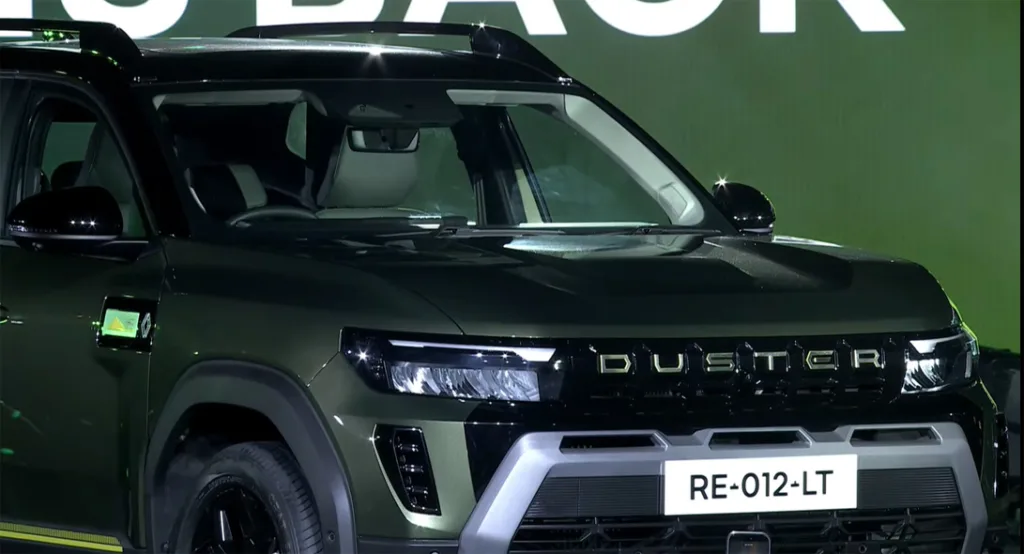
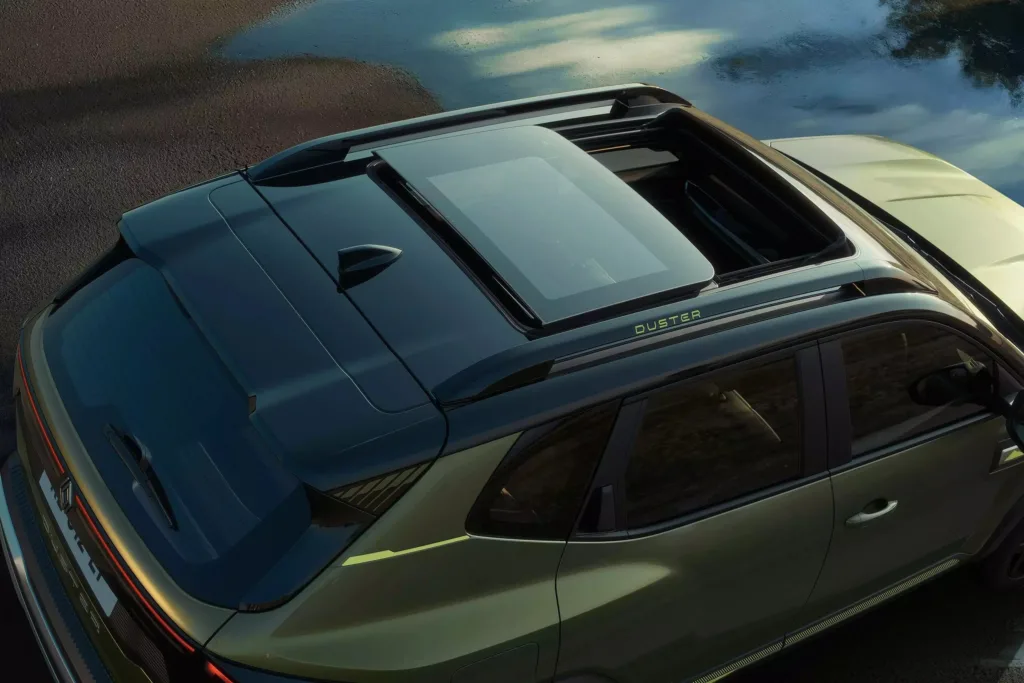
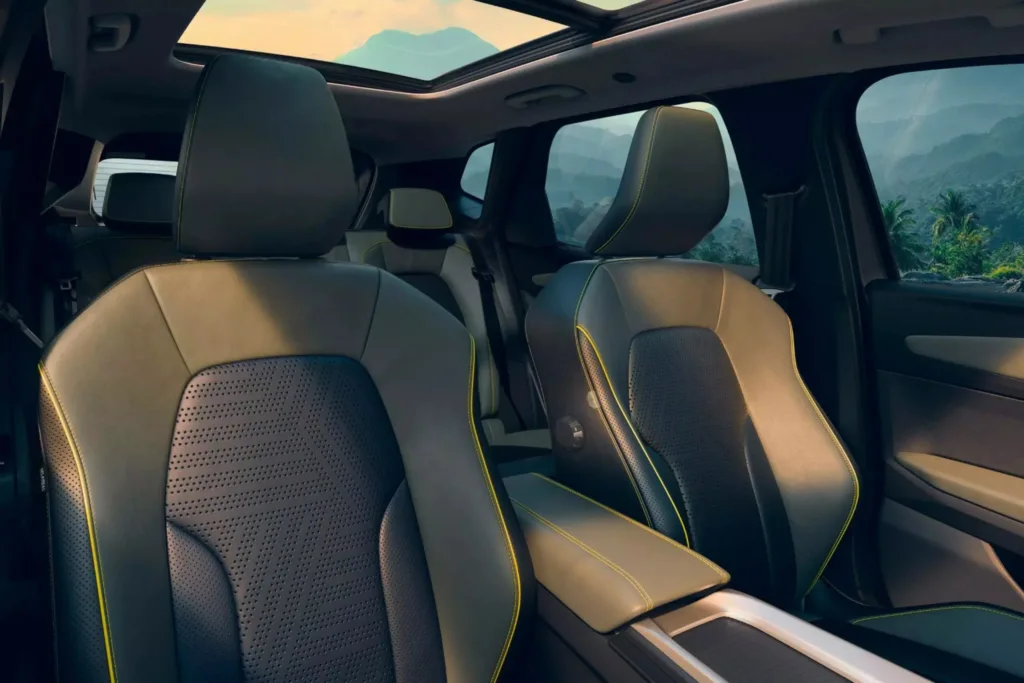
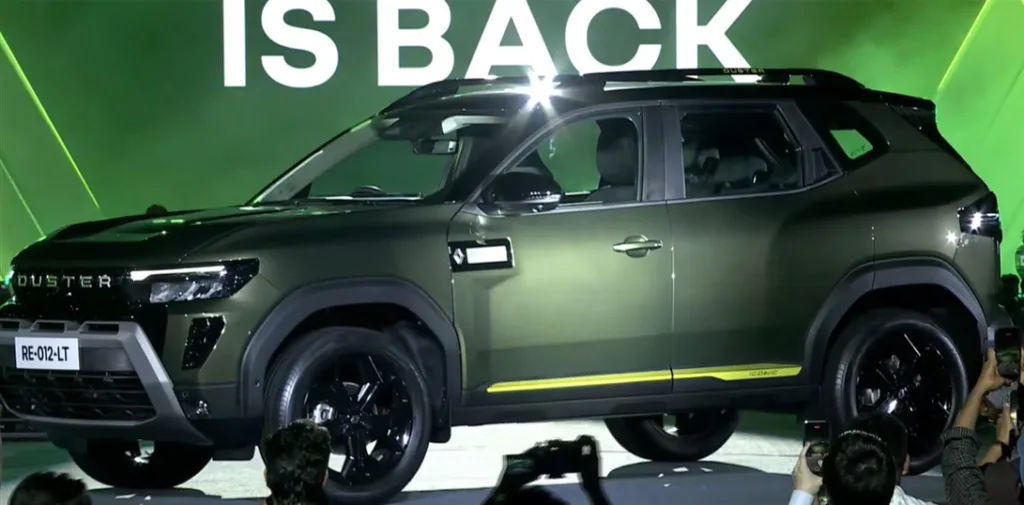
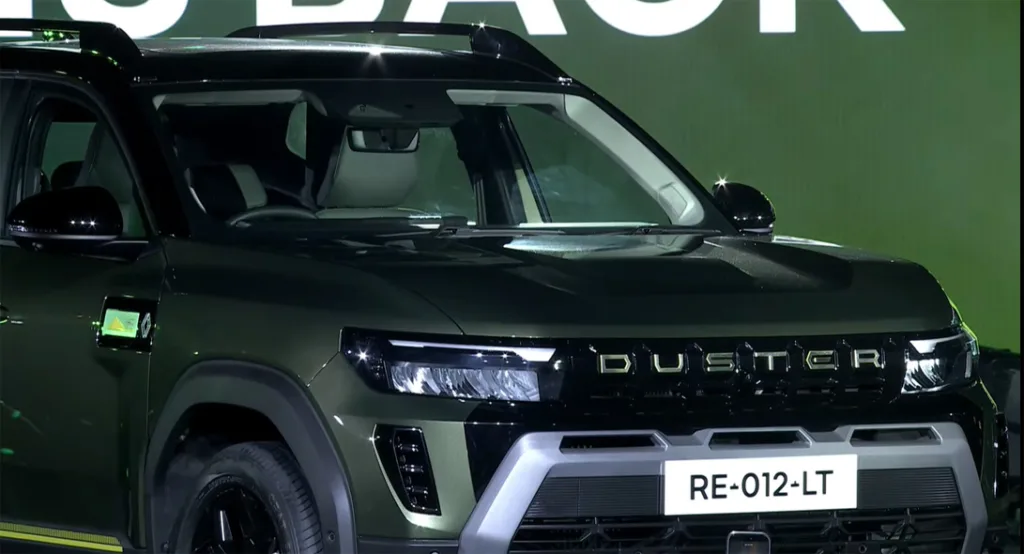
The “King of SUVs” is making a grand comeback. After a long hiatus, details regarding the 2026 Renault Duster for the Indian market have finally been revealed, and it promises to be a game-changer. With a segment-first strong hybrid engine, massive storage capacity, and premium features like a panoramic sunroof, the new Duster is set to reclaim its territory.
Here is everything you need to know about the upcoming SUV. Price Announcement and details
1. Power & Performance: The Strong Hybrid Advantage
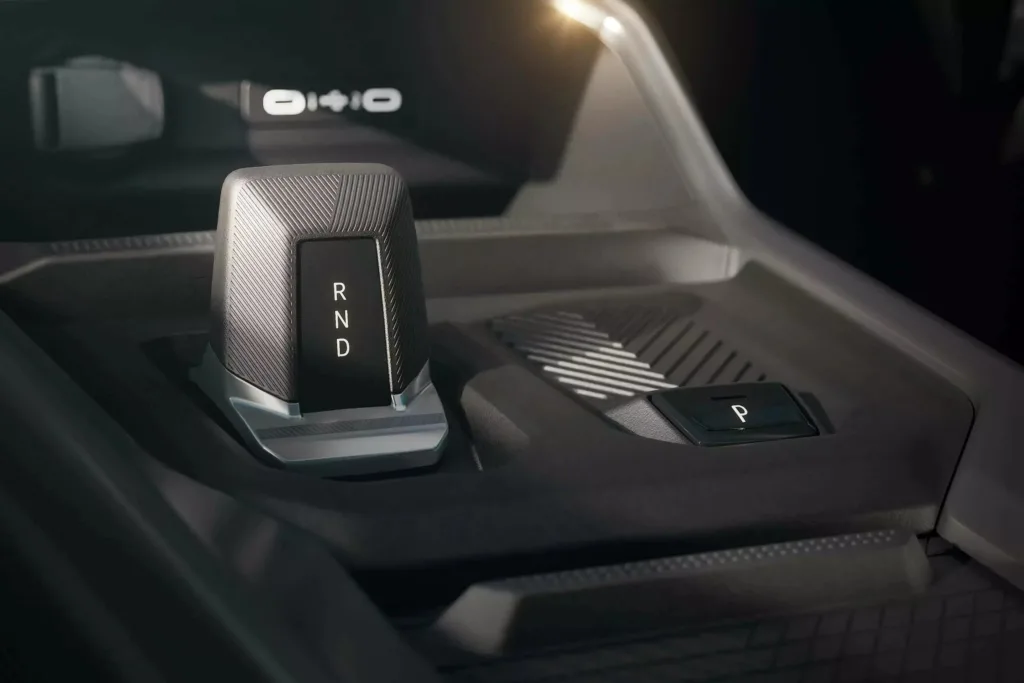
The biggest talking point of the 2026 Duster is its powertrain. Renault has introduced the E-Tech 160 Strong Hybrid system, designed to offer a proper EV-first urban driving experience.
Engine: 1.8L GDI dedicated hybrid engine.
Battery & Motor: Paired with a 1.4 kWh battery and dual electric motors.
Transmission: An advanced 8-speed DHT (Dual Hybrid Transmission).
Efficiency: The system is capable of performing 80% of city driving in EV mode, offering incredible fuel efficiency with petrol backup.
Other Engine Options: For those who prefer traditional power, two other turbo options are available:
Turbo TCe 160: A performance-oriented 1.6L engine delivering 163 PS Power and 280 Nm Torque, mated to a 6-speed wet-clutch DCT.
Turbo TCe 100: A city-friendly 1.0L engine producing 100 PS Power and 160 Nm Torque with a 6-speed manual transmission.
2. Massive Space & Practicality
The new Duster is built for utility. It offers a massive 800-liter boot space (loaded up to the roof), making it perfect for long family trips. For added convenience, it also features an electric tailgate, allowing for easy loading and unloading of luggage.
3. Design & Features
The 2026 Duster retains its rugged DNA but gets a modern tech overhaul:
Panoramic Sunroof: A highly requested feature for Indian buyers.
Lighting: Futuristic connected front and rear LED lamps.
Off-Road Ready: A high ground clearance of 212mm, ensuring it can tackle bad roads with ease.
Safety: Built on a robust platform designed to achieve a 5-Star Safety Rating.
4. India Launch Timeline & Delivery
If you are planning to bring this SUV home, mark these dates on your calendar:
Based on the India-EU FTA details, the most significant price drops will be seen in Completely Built Unit (CBU) imports—cars that are fully manufactured in Europe and shipped to India. Locally assembled cars (like the Mercedes C-Class or BMW 3 Series) won’t see much change.
Here are the specific models expected to see the biggest price reductions:
1. Land Rover
Defender: Although Land Rover is a British brand, the Defender is manufactured in Slovakia (an EU member country). Currently, it attracts high duties, so a drop to 40% duty would significantly reduce its price.
2. Porsche (The Biggest Beneficiary) Since Porsche imports almost its entire portfolio as CBUs, the whole brand becomes more accessible.
Macan: The entry-level SUV could become much more competitive against locally assembled rivals.
911: The iconic sports car will see a massive drop in effective on-road prices.
3. Mercedes-Benz While they assemble many cars in Pune, their “Dream Cars” and high-performance collection are imports:
Maybach Series: The imported Maybach S-Class and GLS 600.
AMG Models: The legendary G-Wagon (G63 AMG), AMG GT, and other high-performance variants.
4. BMW Similar to Mercedes, the volume drivers are made in Chennai, but the halo cars are imports:
M Series: The M2, M3, M4, and M5 competition cars.
Z4 Roadster & XM: These niche models will become cheaper.
5. Audi
Q8 & RS Q8: Audi’s flagship SUV is a CBU import and will benefit greatly.
RS Models: The RS5 and RS e-tron GT (though the electric RS e-tron GT falls under the EV exclusion, the petrol RS5 will benefit).
6. Italian Supercars
Ferrari, Lamborghini, & Maserati: These brands exclusively import their vehicles from Italy. The duty cut from ~110% to 40% could slash crores off the on-road prices of models like the Lamborghini Urus or Ferrari 296 GTB.
⚠️ Important Note on EVs: Popular European electric cars like the Porsche Taycan, Audi Q8 e-tron (Imported), or Mercedes EQS (Imported) will NOT get cheaper for the first 5 years, as the government is protecting domestic EV manufacturing.
New Delhi – In a significant development for the Indian automotive market, European cars are poised to become considerably more affordable following the imminent announcement of a Free Trade Agreement (FTA) between India and the European Union (EU).
After years of negotiations, the landmark deal—which could be announced as early as Tuesday, January 27—promises to slash import duties on qualifying vehicles, potentially reshaping the luxury and premium car segments in the country.
Major Cut in Import Duties Under the reported terms of the agreement, India will immediately reduce import tariffs on European-manufactured internal combustion engine (ICE) cars. Currently, fully built imported cars face customs duties ranging from 70% to 110%. The new deal will see these rates drop sharply to 40% for a limited quota of vehicles priced above €15,000 (approximately ₹16.28 lakh).
The relief doesn’t stop there; the agreement outlines a roadmap for further reductions, with duties expected to fall as low as 10% over the coming years.
EVs Excluded for Now Notably, the duty cuts come with a strategic exception for Electric Vehicles (EVs). To safeguard the interests of domestic EV manufacturers like Tata Motors and Mahindra & Mahindra, import tariffs on European EVs will remain unchanged for the first five years of the agreement. Reductions in this sector will only be considered after this initial protectionist period expires.
Luxury and Performance Markets to Benefit The biggest beneficiaries of this policy shift will be European luxury and supercar manufacturers. While brands like Mercedes-Benz, BMW, Audi, and Volvo already assemble many of their high-volume models in India to avoid high tariffs, their fully imported lineup will see substantial price corrections.
Enthusiasts can expect price drops on:
Performance Models: BMW M series, Mercedes-AMG, and Audi RS lines.
Supercars: Ferrari, Lamborghini, Maserati, and Porsche models.
Niche Imports: Vehicles like the Land Rover Defender (imported from Slovakia) are also expected to see price reductions.
Mass-market European players like Volkswagen and Skoda could also leverage the deal to bring in more global models that were previously deemed too expensive for the price-sensitive Indian market.
Malayalam actress Divya Unni shares an emotional moment as her daughter performs her dance debut at the same venue where Divya had her Arangettam years ago. Watch the viral video here.
It was a moment of pure nostalgia and pride for actress and classical dancer Divya Unni. In a recently shared video that is capturing hearts online, the actress’s daughter is seen delivering a graceful classical dance performance.
The event held a special significance for the family. While introducing the performance, Divya revealed that this was the exact venue where she performed her own Arangettam (dance debut) years ago.
“My debut was here, and now, my daughter is performing on the same stage,” the actress shared, highlighting the full-circle moment. The video features her daughter performing with poise, indicating that the talent runs deep in the family.
“Baby Girl” This movie takes us through an intense experience, as a baby goes missing from a state-run hospital, which leads the people in the hospital, as well as the parents, into a dilemma. Nivin Pauly represents the role of an innocent, vulnerable, and meek-looking attendant named Sanal Mathew, who eventually becomes the prime suspect. This movie makes us curious, wondering if he is indeed innocent, or if there is more than what we might have thought.
REVIEW & ANALYSIS OF THE FILM:
“Baby Girl” won’t surprise you with any plot or writing surprises. It will simply make an effort to unnerve you. though maybe a bit too slowly for its own good. A sense of helplessness is something that “BabyGirl”seems to care far more about than any actual thriller plot points—this fact represents the movie’s best and worst qualities as soon as it decides to start telling its story in a hospital setting. From that very moment onward, it seems to settle firmly into an emotional space and never really budges. There’s an uncomfortable sense of realism to all of this pacing and all of these conversations. Indeed, nothing really happens here—nothing explodes controversially and demands to be solved—so everything just lingers.
Nevertheless, as the story progresses, it seems that this strategy is not exactly an intentional decision but rather an unintentional one. Scenes are stretched out rather longer than needed, not because of any revelation of emotion or character complexity, but simply because it is momentarily unsure of which path it should proceed down. Not only does none of the tension created in the first half of the film build or develop in any sort of tangible way, it simply repeats itself in different locations and with different people.
Direction-wise as well, “Arun Varma” decides to take it easy. There are no bold choices made with regards to setting or story once part of it is established as a conflict. It teases some rather deeper themes and questions and never really attempts to explore them. Even when it seems like it’s going to make some kind of bold commentary or observation, it never really manages to.
Another aspect of the movie is the screenplay. One can say the theme is good; otherwise, the script lacked force after the interval. Many scenes were conveniently incorporated; scenes where the characters’ emotions were to be challenged lacked depth due to the convenience of the scenes. Most scenes were moved as if the characters were playing chess. From the visual perspective of the movie, it was good; the tones were consistent apart from the colors. Some scenes were dimmed dimly on purpose; some were dimmed undesirably.
When the movie hits its final stretch with Baby Girl, what should be anger and betrayal actually ends up as disappointment. The ingredients for such an edgy and unsettling drama were clearly well-placed here but were instead taken in an even more predictable vein.
SO WHAT’S HOT:
1: The First Half’s Controlled Build
The film begins well, building up tension without forcing the drama.
2. Background Score
The music does understand the power of silence and avoids the temptation of over-selling each emotional moment. However, while the music avoids melodrama, it sometimes neglects to provide the thrills and energy that a movie of this scale warrants
3. Cinematography
The camera often looks on rather than react; its effect is un-orchestrated and uncomfortable.
4. Lijomol Jose
She gives a performance that seems to be based around restraint, depicting her fear and tiredness in a way that avoids exaggeration.
5. Sangeeth Prathap
Sincerity helps ground the film, even as the script struggles.
6. Realistic Tone
The film stays grounded and avoids the usual over-the-top Malayalam thriller tropes.
7. Setting Usage
The hospital is not just a setting in the novel. It actually contributes to the narrative’s mood.
SO WHAT DIDN’T WORK OUT:
1. Outdated Direction
Arun Varma has a good grip on suspense, although there are times when it seems he is unsure of where he is panning the camera. Scenes that should be tense, like frantically searching an area of a hospital or making a phone call, really drag on and cause one to look at their watch rather than be on the edge of one’s seat. It is a bit of a shame, really, that the suspense is never quite there in his second directorial outing.
2. Characters Behaving Conveniently
Some of the decisions made by Sanal and other characters feel more artificial, as if made for the purpose of advancing the plot rather than for human nature. It’s the kind of “well, let’s do what the plot needs” problem. Certainly, for something described as a thriller about the disappearance of a child, it detracts from the tension because you start to guess what’s going to happen next.
3. Screenplay Runs Out of Steam
The first half is paced well, but by the second half, the story seems to repeat itself, like the writers were getting bored with ways to scare the hospital. The suspense is so formulaic that you can hear the film saying, “Don’t worry, the climax is coming… eventually.”
4. Predictable Twists
Even with the mystery aspect, the major turns can easily be predicted. While the suspense initially has the reader guessing, after a while, the story does a disservice to the reader by giving away all the hints they have. A thriller should tie your stomach into knots, not have you go?Ah, I knew it.
5. Supporting Characters Left Hanging
Besides the character of Sanal and the mother, the other people in the hospital and the policemen exist only in a line or two of dialogue. You don’t actually know what their motivations are for anything they’re doing, and in some instances, the story seems to have forgotten they were ever in the scene to begin with. They’re props, not people, which was a shame because they could have helped to add another layer to the tense moments in the film.
6. Off-Colour Grading
There are moments in the film’s visual color scheme that are more distracting than enhancing. Scenes in the hospital are too cold on occasion, creating a somewhat unrealistic environment, while others are too warm, disrupting the overall mood. A more selective approach here could have helped make the hospital environment even more ominous, with the tension rising more believably.
7. Underutilisation of Nivin Pauly
It’s also unfortunate to see Nivin Pauly play a glorified cameo. He does bring a certain vulnerability to his character Sanal Mathew, but he is a performer in ‘Standby Mode.’ He is an actor whose screen presence is incalculable, but he is relegated to the typical plot device to keep people guessing.
PERFORMANCE OF ACTORS:
Nivin Pauly (Sanal Mathew)
Nivin Pauly is mostly employed in Baby Girl to observe . Perhaps the silence is meant to have more depth than the act of being intense, but after a while, the absence of the former has more to do with emotional standby mode. Nivin, an actor known for delivering nuanced and spontaneous performances, is quiet where the situation calls for intense; not simply intense, but really intense.
Sangeeth Prathap & Abhimanyu Thilakan
Sangeeth Prathap is excellent in a straight, no-nonsense getup, bringing a calming stability to offset the sense of urgency exhibited by Sanal and the sister’s situation. Abhimanyu Thilakan is noteworthy as the authoritative policeman, injecting a sense of gravity that propels the investigation to its necessary conclusion. Both actors have performed well to keep the display under control, ensuring that the thriller is grounded in an element of realism.
Supporting Characters
The additional actors add depth to the world of the hospital, although they seem a bit lacking at some parts. The scenes involving the nurses, the staff, and the officials seem quite natural, which helps add depth to the oppressive environment of the hospital. Despite their small time on the big screen, they were essential in creating a believable environment in the world of the film.
CONCLUSION:
While Baby Girl goes out of her way to make the viewer edge their seat, there were moments where the edge became a coffee break. While Arun Varma’s world feels more like a waiting room than a playground for thrills, there were moments where the choices made by the actors were so convenient, they made me go back. However, Nivin Pauly, along with his co-star, makes good use of the dramatic value of subtlety.
The narrative missteps sometimes on the more obvious plot turns, and there are moments where the support characters simply disappear just when you’re becoming invested in them as well. The film’s rhythm is sometimes uneven, with the suspense moments dragged out longer than necessary to keep you looking at the clock rather than holding it with tension building. Yet, the film’s setting of the cold, sterile hospital environment, the ticking clock, and the sense of impending dread are all very well done, and the background music subtly ramps up the tension without going over the top with it either. In the end, Baby Girl may not break new ground for the thriller genre, but it’s well enough done to keep you interested with the suspense, the emotions, and the performances.
Final verdict
“Baby Girl”struggles to sustain suspense, with predictable twists and uneven pacing. Performances are decent, but the film is only a one-time watch.
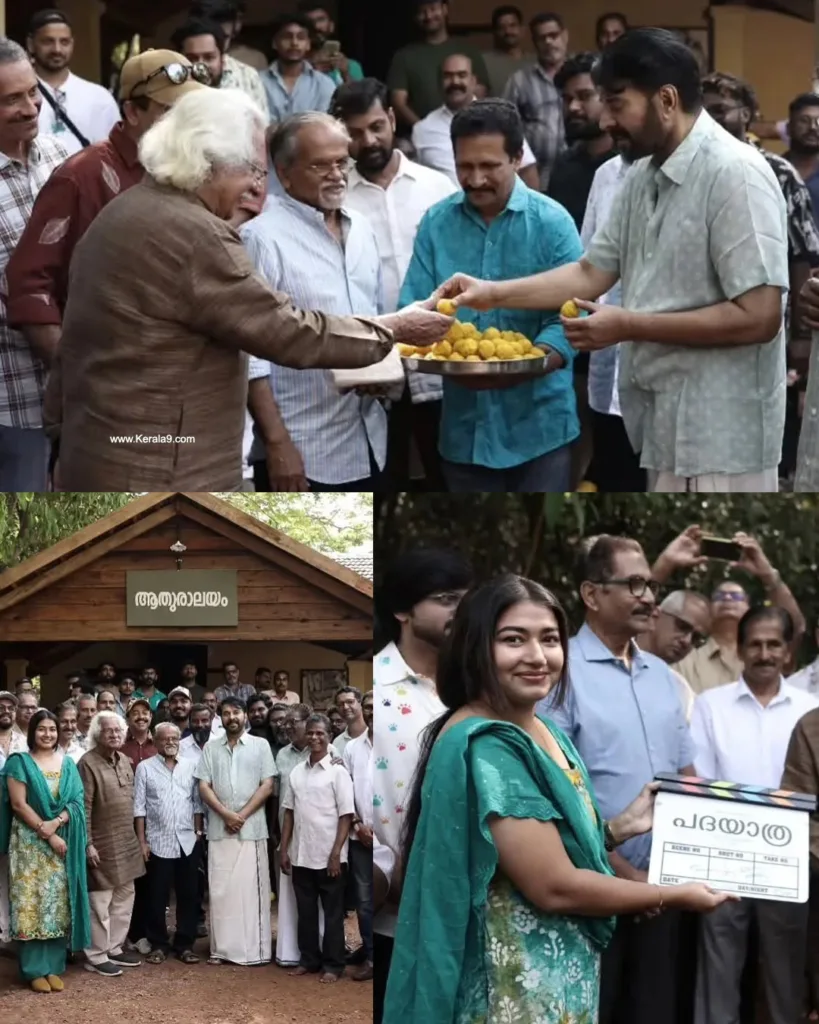
Ernakulam: Ending a hiatus of over three decades, the legendary duo of Malayalam cinema—director Adoor Gopalakrishnan and megastar Mammootty—have joined forces once again. Filming for their highly anticipated movie, titled ‘Padayatra’, officially commenced today in Ernakulam.
Adding to the excitement, it has been confirmed that actress Grace Antony will play a pivotal role in the film.
A Historic Collaboration
This project marks the reunion of one of the most celebrated actor-director combinations in Indian cinema history. The two have previously collaborated on iconic classics such as Mathilukal, Anantaram, and Vidheyan. This will be the 8th production under the banner of Mammootty Company.
Plot and Crew Details
According to reports, ‘Padayatra’ is based on the literary masterpiece Randidangazhi by Thakazhi Sivasankara Pillai. The screenplay and dialogues are co-written by Adoor Gopalakrishnan and K.V. Mohankumar.
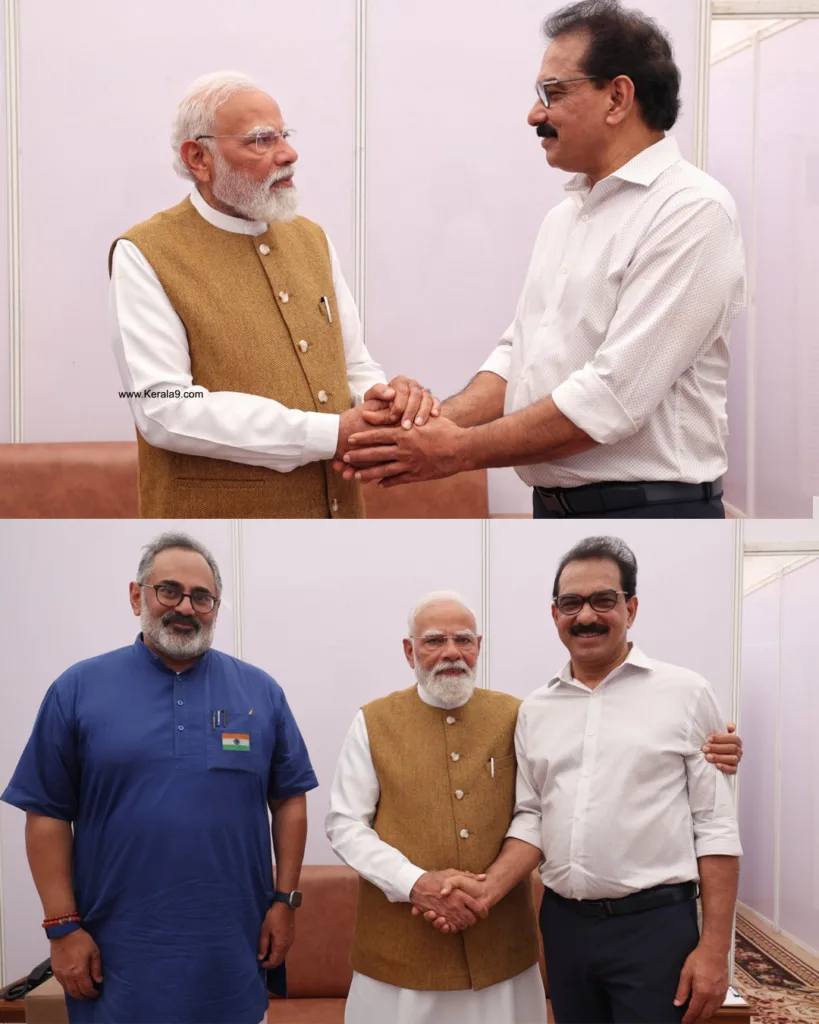
Thiruvananthapuram: Prime Minister Narendra Modi held a meeting with Sabu M. Jacob, the Chief Coordinator of Twenty20, in Thiruvananthapuram today.
The meeting comes shortly after the Kizhakkambalam-based Twenty20 party officially joined the National Democratic Alliance (NDA). This interaction is viewed as a significant step following the party’s entry into the coalition.
Thiruvananthapuram: In a gesture that electrified the massive crowd gathered at Putharikandam Maidan, Prime Minister Narendra Modi prostrated before the party workers, expressing deep gratitude for the Bharatiya Janata Party’s historic victory in the Thiruvananthapuram Corporation election.
Describing the win as a “watershed moment” in Kerala politics, the Prime Minister drew a parallel with his home state. “The BJP’s journey in Gujarat began with a victory in a municipal corporation. In the same way, the winds of change are now blowing here. Kerala is now ready to be in BJP’s hands,” Modi declared, addressing a gathering of over 25,000 supporters.
Key Highlights of the Visit:
1. “Vikasitha Thiruvananthapuram” Blueprint: Fulfilling a key election promise, PM Modi personally handed over the ‘Vikasitha Thiruvananthapuram’ (Developed Trivandrum) Blueprint to the newly elected Mayor. This master plan outlines the strategic roadmap for the capital city’s transformation under the new municipal governance.
2. Major Development Push: The Prime Minister launched development projects worth crores, emphasizing that his government delivers on promises within days of victory.
New Trains Flagged Off: He flagged off three new Amrit Bharat Express trains:
Thiruvananthapuram – Tambaram
Nagercoil – Mangaluru
Thiruvananthapuram – Charlapalli (Hyderabad)
Rail Connectivity: Inaugurated the Thrissur – Guruvayur passenger service.
Infrastructure & Health: Laid the foundation stone for an Innovation & Entrepreneurship Hub at CSIR-NIIST and inaugurated a new Radio Surgery Centre at the Sree Chitra Tirunal Institute. A modern Head Post Office at Poojappura was also dedicated to the nation.
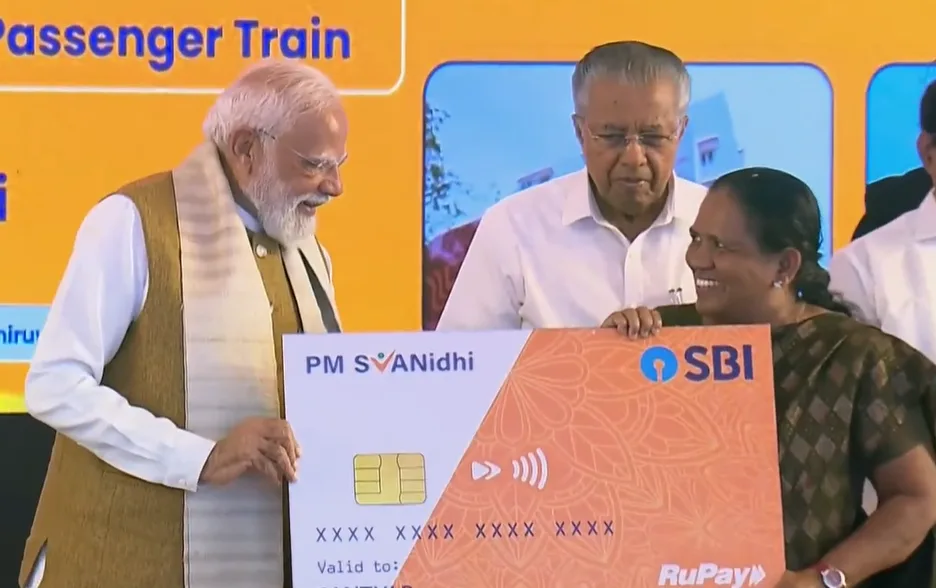
3. Welfare for the Common Man: Under the PM SVANidhi scheme, the PM distributed loans and credit cards to street vendors, noting that over 1 lakh vendors in the state have benefited. He also highlighted that 25 lakh houses have been provided to the urban poor in Kerala under the PM Awas Yojana.
4. Grand Reception: Earlier in the day, the Prime Minister was welcomed with a massive roadshow from the airport to the venue, with thousands lining the streets.
“You placed your trust in us, and I will repay that trust with development,” Modi assured the people of Thiruvananthapuram, signaling a rigorous start to the party’s campaign for future assembly polls.
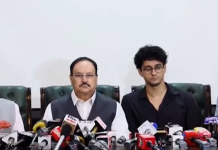
NEW DELHI: In a significant generational shift, 45-year-old Nitin Nabin officially took charge as the National President of the Bharatiya Janata Party (BJP) on Tuesday. Nabin becomes the youngest leader to ever hold the top post in the party’s history. He succeeds Union Minister J.P. Nadda, whose tenure recently concluded.
The transition took place at the BJP national headquarters in New Delhi in the presence of Prime Minister Narendra Modi and other senior party leaders.
“A Millennial Leader for a Developed India”
Welcoming the new president, Prime Minister Modi highlighted the strategic importance of choosing a young leader for the upcoming decade. In a light-hearted yet respectful remark, the PM stated, “He is my boss now,” referring to the organizational hierarchy.
“The next 25 years are crucial as we work toward building a ‘Viksit Bharat’ (Developed India). Nitin ji is a millennial leader who has grown up witnessing India’s massive economic and technological transformations. He is perfectly suited to carry forward the party’s legacy in this modern era,” PM Modi added during the ceremony.
Who is Nitin Nabin?
A prominent face from Bihar, Nitin Nabin is a five-time MLA who first entered the state assembly in 2006.
He previously served as a minister in the Nitish Kumar cabinet, handling portfolios like Road Construction and Urban Development.
He has a strong organizational background, having served as the National General Secretary of the Bharatiya Janata Yuva Morcha (BJYM).
Nabin is credited with playing a pivotal role in the BJP’s victory in Chhattisgarh, where the party successfully unseated the Congress.
Strategic Roadmap Ahead
Nabin’s appointment is seen as a tactical move ahead of major assembly elections. His immediate challenge will be to lead the party’s campaigns in:
Kerala, Tamil Nadu, and West Bengal
Assam and Puducherry
By elevating a young leader from the ‘Kayastha’ community of Bihar, the BJP aims to blend youthful energy with organizational experience as it prepares for the next phase of national and state-level politics. According to the party constitution, Nabin will serve a term of three years.
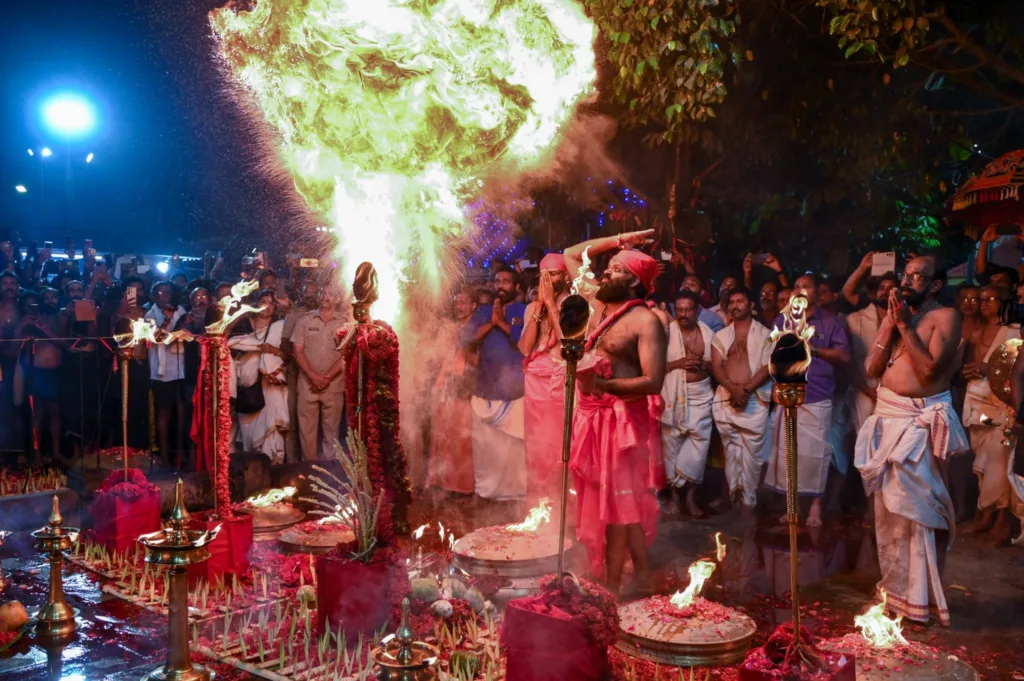
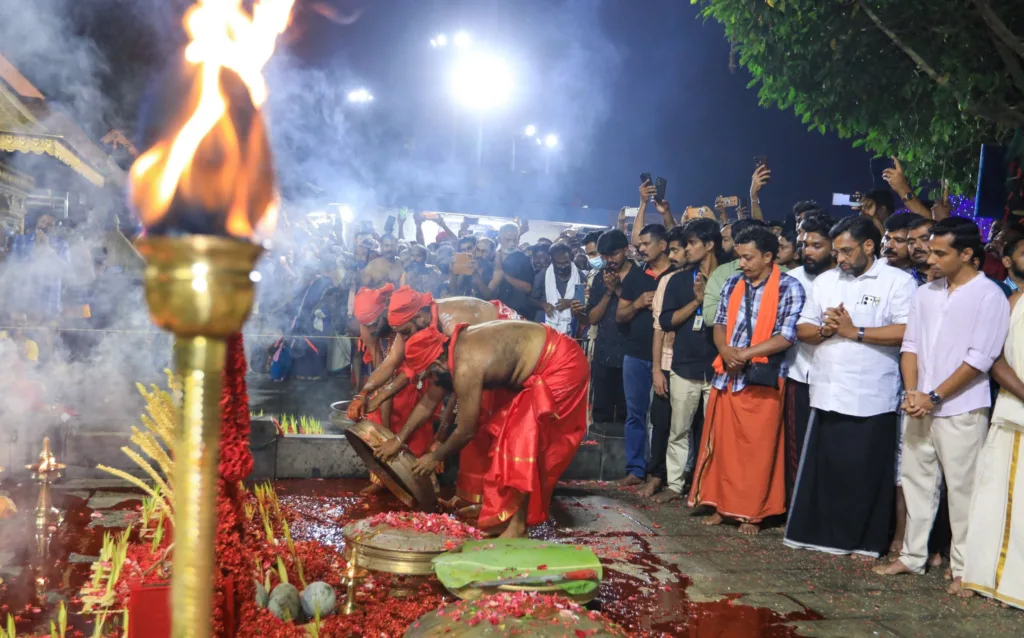
SABARIMALA: The annual Mandala-Makaravilakku pilgrimage season at Sabarimala came to a solemn close last night (January 19) with the performance of the traditional Guruthi Pooja in front of the Malikappuram Manimandapam.
The rituals marked the final conclusion of this year’s holy season. The ceremony took place after the main sanctum (Sannidhanam) was closed following the recitation of ‘Harivarasanam’, in the reverent presence of the Pandalam Palace representative, Punartham Nal Narayana Varma.
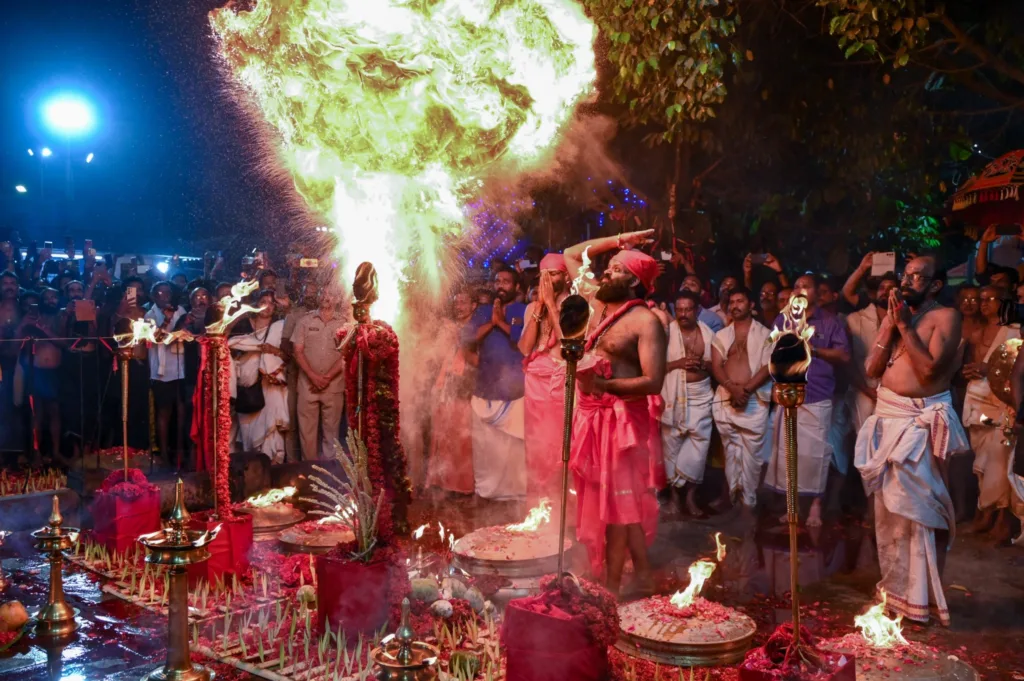
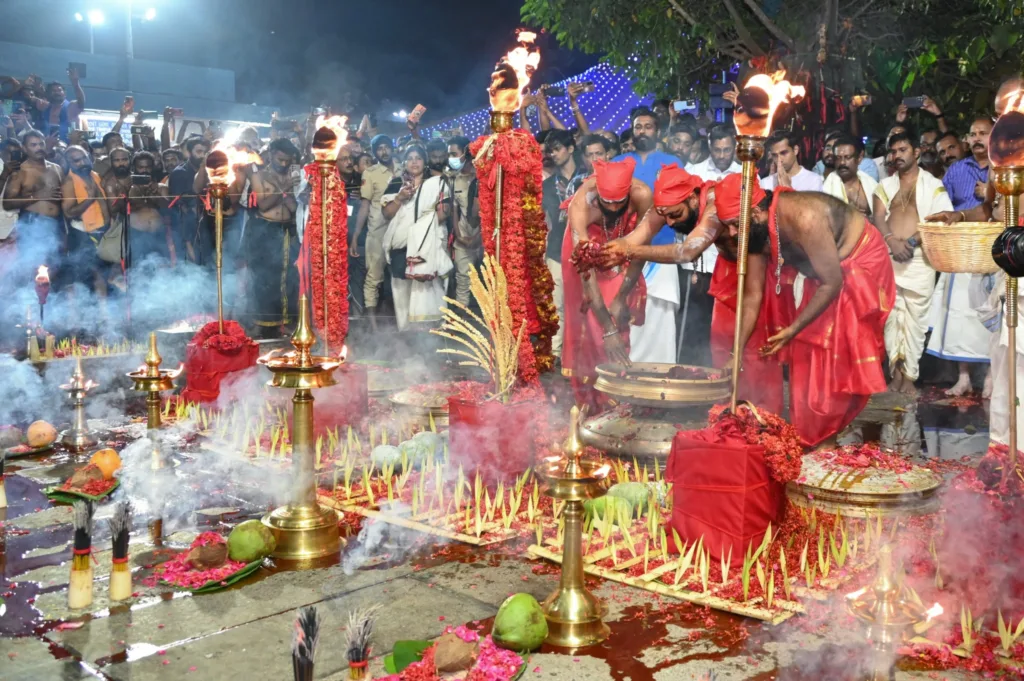
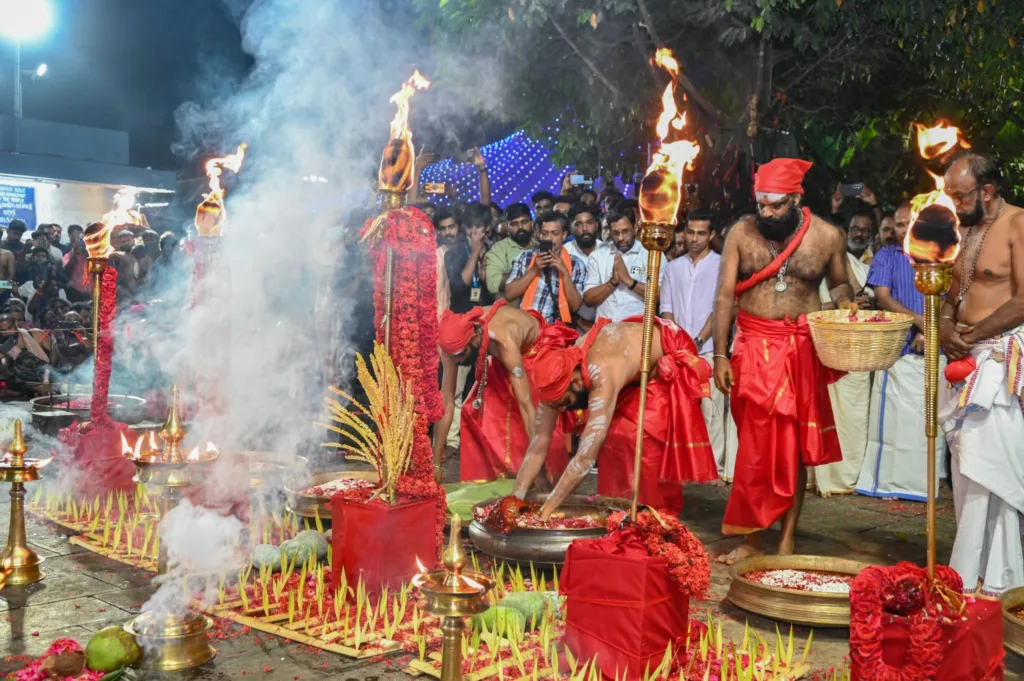
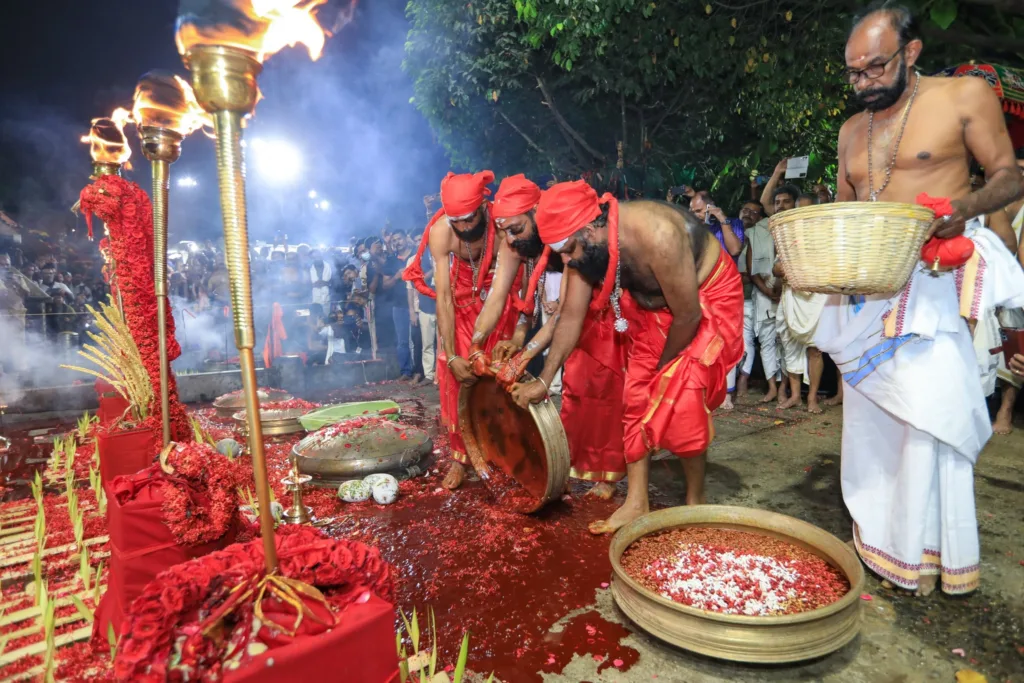
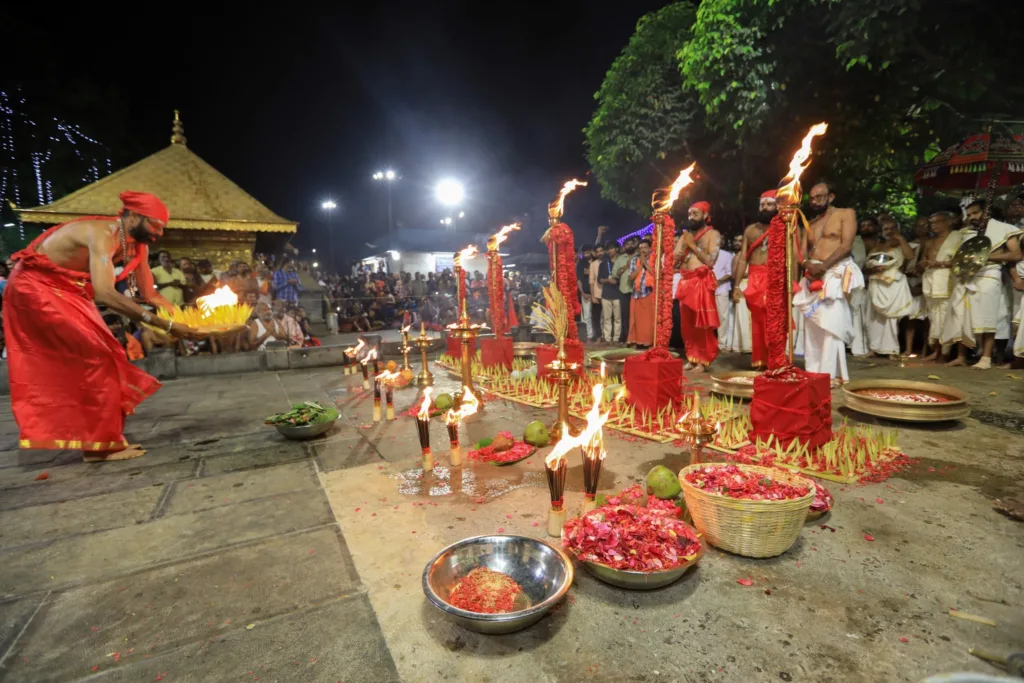
Visual Highlights: The Guruthi Ritual
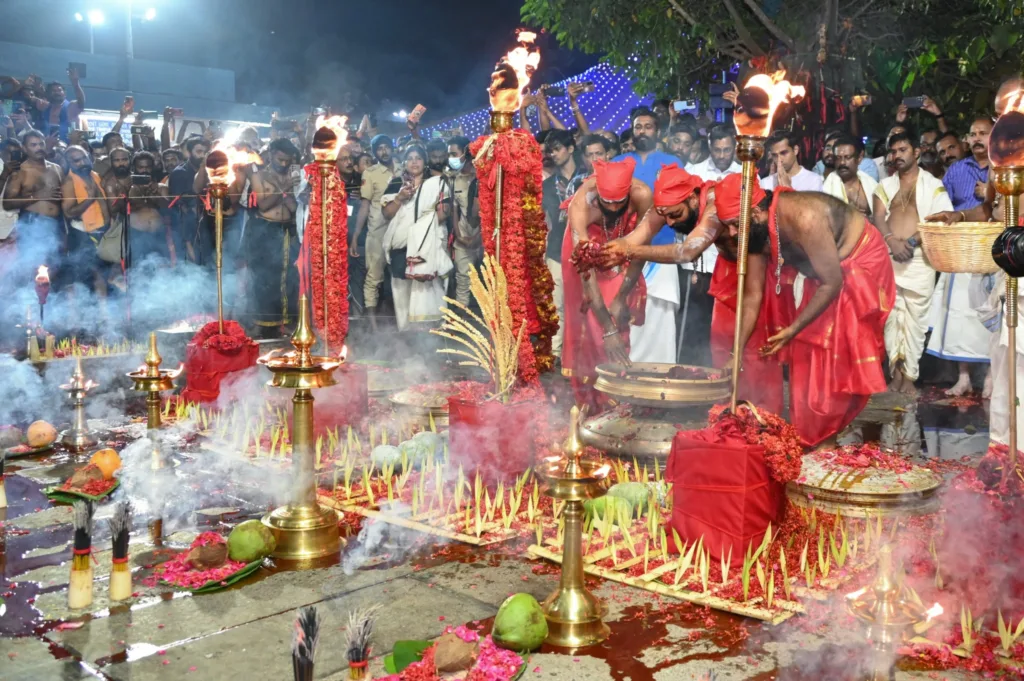
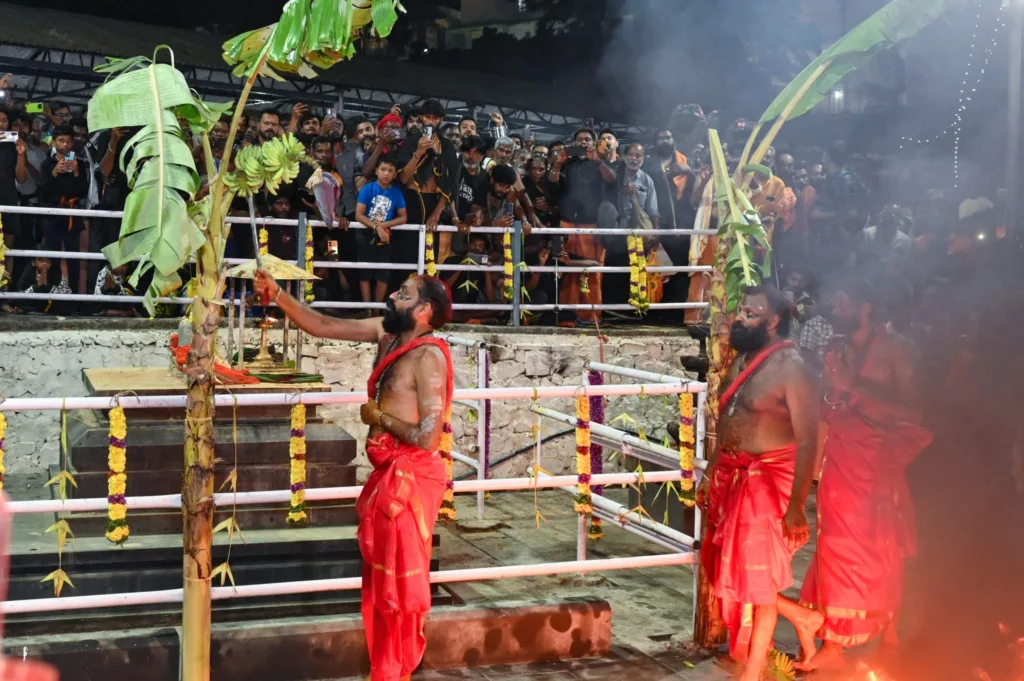
The ritualistic atmosphere was intense and vibrant. In front of the Manimandapam, a specialized floor pattern comprising 64 squares (kallams) was created using plantain stems (vazhappola) and tender coconut leaves (kuruthola).
The Setting: A traditional torch (pantham) was lit in the center of the Kalam. The area was beautifully adorned with traditional oil lamps (nilavilakku), flower bunches, and garlands, creating a divine ambiance for the devotees witnessing the event.
The Ceremony Details
The rituals began after the Pandalam Royal representative returned to Malikappuram following his worship at the Sannidhanam.
The Guruthi involved the offering of ‘Ninam’—a red ceremonial mixture made of turmeric powder and lime—and the ritualistic cutting of an ash gourd (kumbalanga). Following the pooja, the holy prasadam was distributed to the devotees present.
Prior to the Guruthi, the Malikappuram temple sanctum was closed, and the Melshanthi (Chief Priest) had returned to the Sannidhanam.
Leadership and Conclusion
The Guruthi ritual was led by traditional rights holders from the Ranni Kunnakkattu family:
Ratheesh Ayyappa Kurup
Ajith Janardana Kurup
Jayakumar Janardana Kurup
Following the ceremony, in the presence of the Royal representative, the priests locked the Manimandapam and formally handed over the keys to the Devaswom Board authorities. Notably, the Manimandapam was open for darshan for only six days in connection with the Makaravilakku festival.