Home Blog Page 52

Antony Raju Convicted in 36-Year-Old Evidence Tampering Case; Court Finds Him Guilty of Conspiracy and Breach of Trust

0
antony raju

THIRUVANANTHAPURAM: In a landmark verdict that has sent ripples through Kerala’s political landscape, the Nedumangad Judicial First Class Magistrate Court has found former Minister and sitting MLA Antony Raju guilty in the notorious evidence tampering case. The judgment brings a conclusion to a legal saga that spanned over three and a half decades.

The Conviction

The court held Antony Raju, along with the first accused K.S. Jose (a former court staff member), guilty under several grave sections of the Indian Penal Code (IPC). The proven charges include:

  • IPC 120B: Criminal Conspiracy.
  • IPC 409: Criminal breach of trust by a public servant (a serious offense that can carry a sentence up to life imprisonment).
  • IPC 193: Punishment for false evidence (fabrication of evidence).
  • IPC 201: Causing disappearance of evidence of offense.
  • IPC 34: Acts done by several persons in furtherance of common intention.

However, the court acquitted him of the charge under Section 420 (Cheating), stating that the prosecution failed to establish the specific grounds for that particular section.

The Case Background

The case dates back to 1990, when an Australian national, Andrew Salvatore Cervelli, was arrested at Thiruvananthapuram airport for smuggling contraband (charas). The primary evidence was a pair of underwear in which the drugs were allegedly hidden.+1

Antony Raju, who was then a junior lawyer representing the accused, was charged with conspiring with a court clerk to retrieve the underwear from court custody and alter its size. By making the garment too small to fit the accused, the defense successfully argued in the High Court that the evidence was planted, leading to the Australian national’s acquittal in 1991.+1

Sentencing and Political Impact

Since the court found the accused guilty under Section 409, which carries a potential sentence exceeding seven years, the Magistrate Court does not have the jurisdiction to pronounce the final sentence. Consequently, the case has been referred to the Sessions Court for the formal pronouncement of the sentence.

The verdict poses a significant threat to Antony Raju’s political career. Under the Representation of the People Act, any legislator sentenced to two years or more in prison faces immediate disqualification from the Legislative Assembly.

No Enmity Toward Any Party; NSS to Maintain ‘Equidistance’ Policy in Upcoming Assembly Elections: G. Sukumaran Nair

0
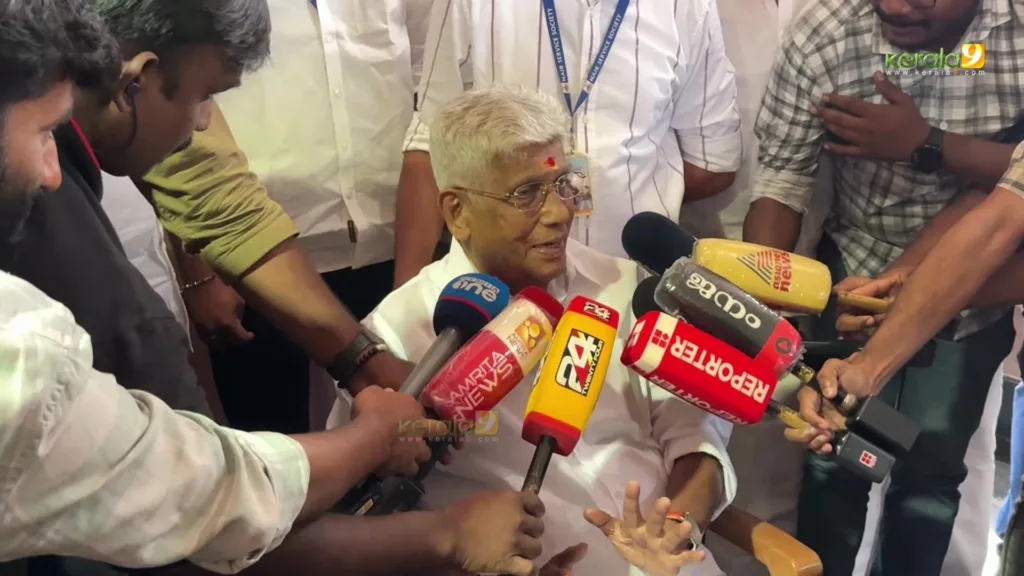
nss g sukumaran nair

Changanassery: The Nair Service Society (NSS) has said it does not hate any political party. NSS General Secretary G. Sukumaran Nair stated that the organization will keep an “equal distance” from all parties in the upcoming Kerala Assembly elections.

He was speaking to reporters during the Mannam Jayanthi celebrations at the NSS headquarters in Perunna.

  • Staying Neutral: Mr. Nair said that since the NSS is not a political party, it has no reason to be angry with any group.
  • The “Equidistance” Policy: For the next election, the NSS will maintain its traditional policy of not supporting any one side.
  • Sabarimala Issue: He explained that the NSS only took a specific side (called the ‘Sharidooram’ or ‘Right Distance’ policy) during the Sabarimala protest. In all other matters, they remain neutral.
  • Gold Controversy: When asked about the Sabarimala gold theft case, he said he had already said enough about it and did not want to discuss it further.

The Mannam Jayanthi festival is currently being celebrated at the NSS headquarters with many people and leaders attending to pay their respects.

Malayalam Superstar Mohanlal’s Mother, Shanthakumari Amma, Passes Away at 90

0
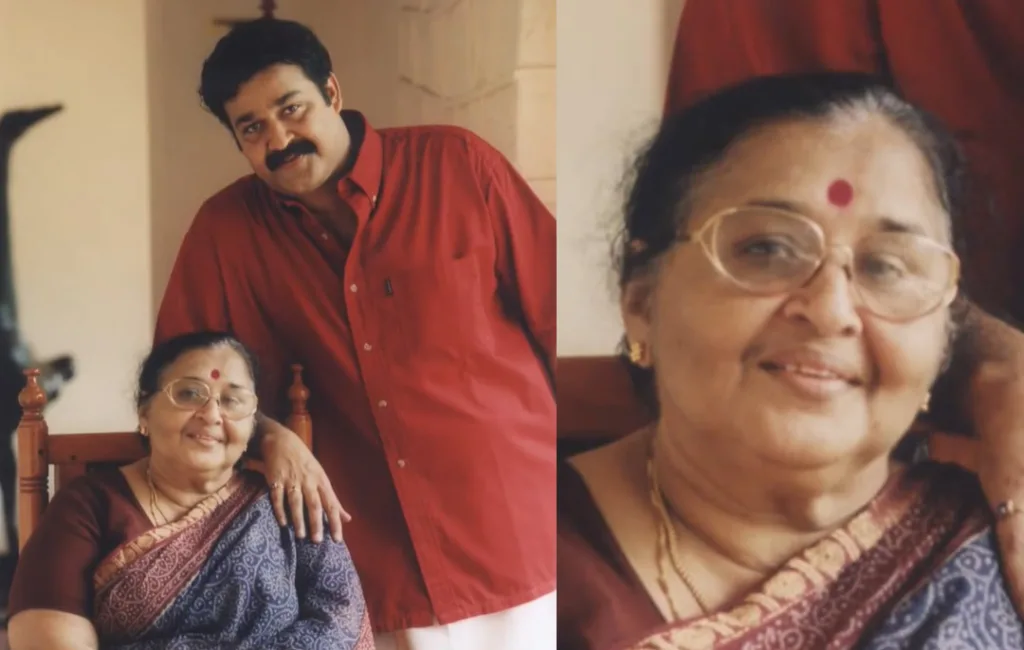
mohanlal mother

Kochi: Shanthakumari Amma, the mother of legendary Malayalam actor Mohanlal, passed away on Tuesday, December 30, 2025. She was 90 years old. She breathed her last at the actor’s residence, ‘Vishwamanthi,’ in Elamakkara, Kochi.

According to reports, she had been undergoing treatment for age-related ailments and neurological issues, including the after-effects of a stroke, for several years. She was under constant medical supervision at home during her final days.

A Life of Quiet Strength

A native of Elanthoor in Pathanamthitta district, Shanthakumari was the wife of the late Viswanathan Nair, who served as a Law Secretary for the Government of Kerala. After her husband’s tenure in Thiruvananthapuram, the family eventually moved to Kochi.

Shanthakumari Amma was known to be the pillar of strength for Mohanlal throughout his illustrious four-decade career. Despite her son’s global stardom, she led a quiet and simple life. Mohanlal has often spoken emotionally in interviews about his deep bond with his mother, frequently sharing how her prayers and presence guided him through life’s challenges.

The Final Moments

Mohanlal, who had been balancing his filming schedules to spend as much time as possible with his mother, was reportedly at home in Kochi when the end came. The actor had recently shared a touching moment with her after receiving the prestigious Dadasaheb Phalke Award, dedicating his success to her.

She is survived by her son Mohanlal and daughter-in-law Suchitra. Her elder son, Pyarelal, passed away in 2000, and her husband, Viswanathan Nair, passed away in 2007.

Funeral Details

The mortal remains are currently kept at the Elamakkara residence for family and close friends to pay their respects. The funeral is expected to take place on Wednesday, December 31, 2025, in Kochi.

Election of Standing Committee Members in Local Bodies from January 5 to 7

0

The State Election Commissioner A. Shahjahan has announced that elections to Standing Committees in all local self-government institutions, where President and Vice-President elections have been completed, will be held from January 5 to January 7, 2026.

Following the election of members, chairpersons will be elected at the earliest by the respective returning officers.

Village and Block Panchayats will have four Standing Committees: Finance, Development, Welfare, and Health & Education. District Panchayats will have five committees, while Municipalities will have six and Corporations eight Standing Committees covering various sectors including finance, development, public works, health, education, urban planning, and tax appeals.

Returning officers of the respective institutions will conduct elections in Village and Block Panchayats. In District Panchayats and Corporations, the Additional District Magistrate (ADM) will serve as the returning officer. The Commission has also appointed returning officers for Municipalities.

Maximum of Two Pet Dogs Per Household; Licensing to Be Made Stricter

0

Thiruvananthapuram: Licensing for pet dogs will be made mandatory and strictly enforced, with a limit of two dogs per household. The move aims to prevent the abandonment of pet dogs on the streets.

The State Animal Welfare Board has decided to recommend amendments to Panchayat and Municipal laws to enforce this condition. Although licensing is currently mandatory, it is not strictly followed. The government is considering amending existing laws.

Under the proposed rules, timely vaccination and sterilisation of dogs will be mandatory. Only dogs implanted with microchips will be eligible for licences. Microchipping will help authorities trace owners who abandon dogs. The chip will contain details such as the dog’s name, breed, and owner’s address, linked to local body databases. A fee will be charged for microchipping.

Those wishing to keep more than two dogs must obtain a breeder’s licence. The move is also aimed at preventing breeders from abandoning dogs when they fail to sell them after breeding.

Protest Against Reservation Policy: Former J&K Chief Minister Mehbooba Mufti Placed Under House Arrest

0

New Delhi: Former Jammu and Kashmir Chief Minister Mehbooba Mufti has been placed under house arrest. The action was taken after she announced her decision to participate in student-led protests against the reservation policy in Jammu and Kashmir.

Along with Mehbooba Mufti, her daughter Iltija Mufti, Srinagar MP Ruhullah Mehdi, PDP leader Waheed Para and others have also been placed under house arrest. The incident comes ahead of a protest planned by students on Sunday against the Omar Abdullah-led government.

Bird Flu Alert: Sale of Chicken Dishes Banned in Alappuzha, Hotels to Remain Closed Till December 30

0

Alappuzha: Following the confirmation of bird flu in Alappuzha district, the sale of chicken-based food items has been banned in hotels. The action was taken by the Food Safety and Standards Authority of India (FSSAI).

Officials asked customers who had arrived at hotels to leave, which led to protests by hotel owners. The hotel owners alleged that the action was taken without prior notice.

In view of the increasing bird flu cases, a decision has been taken to keep hotels closed until December 30. Currently, bird flu has been confirmed only in ducks in Alappuzha. Around 20,000 birds have already been culled in the district as part of containment measures.

HAAL Movie Review : A Restrained Love Story Caught Between Heart and Society

0
haal review

A REVIEW BY AALIYA ANSAR

Movie: HAAL

Direction: Rafeek Veera

Duration: 2 Hours 10 Minutes

Language: Malayalam

Genre: Musical, Romance and Drama

Positives

  •  Strong lead performances
  •  Soulful songs and effective background score
  •  Engaging First Half
  •  Realistic cinematography 
  •  Precise Editing

 Negatives

  •  Predictable core story
  •  The direction was good but could have been better
  •  Familiar forbidden-love theme
  •  Slow pacing in several portions
  •  Screenplay lacks an impact 

Story

From Kadalundi in Kozhikode comes Asif Beeran, a carefree youngster who has no interest in academics. His dream is music, especially rap. He performs with his own group and goes by the stage name Azbee, along with his crew Monjans.

Everything changes during a wedding performance, where Asif notices a girl named Maria. As usual, he is instantly drawn to her. What follows is not just a simple love story, but a deep conflict, as their feelings grow in the middle of strong social barriers — mainly because they belong to different religions.

Direction

Director Rafeek Veera approaches HAAL with a clear artistic intention: emotional control. His storytelling relies heavily on mood, silence, and atmosphere rather than dramatic confrontations. The film is shaped by visual stillness, unspoken feelings, and musical cues, making it more experiential than event-driven. Veera seems deeply interested in the internal worlds of his characters, allowing their emotions to surface through pauses, glances, and lingering frames.

However, this restrained approach becomes both the film’s strength and its limitation. While the romantic chemistry between the lead pair is well-maintained in the first half, the second half struggles to retain the same emotional grip. As the narrative shifts from romance to socio-religious conflict, the film begins to feel crowded with incidents. Political undertones, communal tensions, and ideological clashes are introduced, but not always with the depth required to make them impactful.

The emotional consequences of key conflicts are underdeveloped, which weakens audience investment. The climax, despite its intentions, settles into a familiar template, and the sudden involvement of political elements feels slightly disconnected from the emotional journey built earlier. Still, Veera deserves credit for integrating music thoughtfully into the narrative. Songs emerge naturally from character emotions, rarely feeling like interruptions, and the performances are guided with sensitivity, particularly from the lead actors.

Screenplay

The screenplay of HAAL is emotionally sincere but structurally predictable. It does not aim for twists or dramatic escalation, instead choosing to immerse the viewer in mood, rhythm, and emotional proximity. This approach will appeal to audiences who enjoy slow, introspective storytelling but may test the patience of viewers seeking narrative momentum.

Music plays a crucial role in the writing. Songs are woven into the screenplay as emotional extensions of the characters rather than commercial inserts. The relationship between Asif and Maria grows through shared silences, music, and moments rather than dramatic declarations. This organic progression works well initially.

However, the screenplay struggles once the conflict intensifies. While the idea of forbidden love is timeless, the writing does not bring sufficient freshness to the theme.

 The socio-political and religious angles introduced later feel more descriptive than dramatic, and the emotional struggle of the characters lacks escalation. Silence, though effective in parts, occasionally stalls the narrative, leading to repetition and predictability. From start to finish, the trajectory of the story remains largely foreseeable, limiting its emotional payoff.

Technical Aspects

Technically, HAAL maintains consistency and restraint. The cinematography is one of the film’s strong points, capturing emotional distance through framing and visual composition. Close-ups reveal inner turmoil, while wide shots subtly reflect social barriers and isolation. The visual language supports the film’s emotional tone without drawing unnecessary attention to itself.

Editing remains smooth for the most part, preserving the film’s rhythm. However, the second half could have benefited from tighter cuts, as certain scenes linger longer than needed. Art direction, costumes, and makeup remain grounded and realistic, helping the film stay rooted in its world without artificial gloss.

Music

Music is the emotional backbone of HAAL. Rather than functioning as a commercial tool, it becomes an extension of the characters’ emotional states. The song ‘Hijir’ stands out for its haunting melody and poetic pain, with its chorus beautifully capturing longing and loss. The rap number performed by Shane Nigam adds a contemporary edge, effectively reflecting political tension and social unrest.

The background score is used sparingly and with intention. Instead of overwhelming scenes, it rises only when emotions demand it. Particularly in the first half, the background music elevates romantic moments, enhancing their intimacy. Overall, the music complements the film’s subtle tone and strengthens its emotional texture.

Performance of the Actors

Shane Nigam delivers a controlled and introspective performance. He relies more on body language and expressions than dialogue, allowing emotions to simmer beneath the surface. His portrayal suits the film’s restrained tone, making Asif feel real and emotionally grounded. Sakshi Vaidya complements him well, offering a calm and composed performance. Her expressions feel natural, and she conveys emotional shifts without exaggeration. While her role does not demand dramatic transformation, she brings sincerity to the character. The supporting cast effectively represents societal and familial pressure, though a few characters could have benefited from deeper writing to enhance their impact.

Final Verdict 

HAAL is a slow-burning musical romance that prioritizes mood, emotion, and realism over dramatic spectacle. Its strengths lie in its sincere performances, soulful music, and visually grounded storytelling. However, its predictable narrative, uneven pacing, and underdeveloped conflicts prevent it from reaching its full potential.

This is a film best suited for viewers who appreciate realistic romance, musical storytelling, and emotionally restrained cinema. Those willing to engage patiently with its rhythm may find HAAL quietly rewarding. However, audiences seeking high drama or fast-paced entertainment may find it emotionally distant. Ultimately, HAAL stands as a well-intentioned film that caters more to a niche audience than the masses.

Rating: 3/5

A REVIEW BY AALIYA ANSAR

Sarvam Maya Review: An Engaging, Feel-Good Supernatural Comedy That Works as a Family Entertainer

0

Sarvam Maya Review: An Engaging, Feel-Good Supernatural Comedy That Works as a Family Entertainer

ONE WORDAn Engaging, Feel-Good Supernatural Comedy That Works as a Family Entertainer

A Review by Arunjyothi R 

LANGUAGE: MALAYALAM

DURATION: 02 Hours 27 Minutes 

DIRECTOR: Akhil Sathyan 

GENRE: Horror Comedy  

•POSITIVES:

1: Direction 

2: Story, Screenplay and Dialogues 

3: Performance of Nivin Pauly 

4: Performance of Riya Shibu 

5: Feel good moments 

7: Comedies 

8: Music and Background Score 

9: Cinematography 

10: Editing 

•NEGATIVES:

1: Predicible 

2: Some issues in character development 

3: Resemblance of the film Vismayathumbathu

STORY

Prabhendu stands at the heart of Sarvam Mayam, born into a respected Namboothiri household famous for conducting sacred rituals across countries. But he never fits that world. He questions faith, avoids traditions, and finds comfort only in melodies. Music is his true calling, and he earns a living by performing with a small singing troupe. This difference pushes him to the margins of his own home, leaving him emotionally distant from everyone except his father’s elder brother, the one soul who understands him.

Life outside is no easier. His musical dreams fail to take shape, money remains scarce, and a big chance to go abroad slips away after a harsh rejection. With nowhere else to turn, he returns unwillingly to the ancestral house. What follows is unexpected. Despite mocking beliefs and customs, he is dragged into age-old ceremonies and spirit-related practices, working alongside his quirky cousin.

During one such ritual, Prabhendu comes face to face with something he never believed in — a harmless, lost soul. She isn’t frightening or loud, but calm, puzzled, and unaware of who she once was. Slowly, an unusual bond forms. He names her Delulu, a playful tag for something unreal, and their silent companionship begins to change him.

As days pass, Prabhendu is forced to confront buried pain — broken ties, shaken dreams, and the emptiness behind his disbelief. At the same time, the wandering spirit searches for meaning and peace, hoping to complete what her life left undone. Together, their paths blur the line between logic and belief, turning Sarvam Mayam into a gentle, thoughtful tale about healing, acceptance, and the many ways people look for truth..

REVIEW & ANALYSIS OF THE FILM

Sarvam Maya, which loosely translates to everything is an illusion, lives up to its philosophical title with understated confidence. Released during the Christmas season, the film arrives as a welcome relief from the wave of loud, violent, and hyper-masculine cinema dominating contemporary screens. Instead of relying on shock value or exaggerated spectacle, the film embraces softness, humour, and emotional calm. Blending fantasy, comedy, and mild supernatural elements, this Nivin Pauly–starrer chooses warmth over intensity and reflection over chaos. It is a film that invites the audience to slow down, breathe, and simply feel.

At its core, Sarvam Maya is not interested in scaring its viewers or overwhelming them with dramatic conflict. The film gently touches upon themes of belief, grief, faith, and emotional healing without turning preachy or heavy-handed. The narrative constantly leans towards comfort and reassurance, making it feel less like a dramatic confrontation and more like a quiet conversation. In an era where films often compete to be louder and darker, Sarvam Maya feels like pressing a pause button — a calm interlude in a noisy cinematic landscape.

One of the film’s biggest strengths lies in its grounded setting. The world Akhil Sathyan builds feels familiar and lived-in, filled with ordinary homes, casual conversations, and everyday routines. This sense of realism allows the fantasy elements to blend seamlessly into the narrative instead of standing apart as spectacle. The humour flows naturally from situations and character reactions rather than forced punchlines. Much of it lands effectively, creating moments of genuine laughter. However, when the film ventures into emotional territory, the subtlety seen in the lighter sections slightly fades. Certain sentimental moments feel overly verbalised, giving the film a slightly manufactured feel-good tone rather than an entirely organic one. Still, these moments soften rather than damage the overall experience.

The chemistry between Nivin Pauly and Aju Varghese is another major highlight. Their long-standing off-screen friendship clearly translates onto the screen, adding authenticity and ease to their interactions. Aju Varghese brings consistent humour, especially as supernatural elements slowly disrupt their ordinary lives. Whether placed in chaotic ritual settings or absurd modern-day situations, their shared scenes strike a balance between fantasy and relatability. This camaraderie not only fuels comedy but also acts as an emotional anchor, keeping the film grounded even when it explores unreal spaces.

The screenplay frequently introduces imaginative sequences to maintain engagement. Moments such as supernatural rituals unfolding in unexpected ways or humorous social observations woven into the narrative work well and elevate the film’s entertainment value. These sequences often keep the audience involved and amused. However, not every creative choice is equally effective. A few scenes feel slightly stretched or unnecessary, momentarily clashing with the film’s gentle tone. While these detours reflect ambition, they occasionally disrupt the narrative rhythm and dilute the film’s emotional consistency.

One of the most refreshing creative decisions in Sarvam Maya is its complete rejection of conventional horror tropes. There are no jump scares, ominous background effects, or exaggerated visual tricks. The ghost is presented as a contemporary, current generation look and presence — casual, confused, and emotionally accessible. She is unsure of her own existence, and this uncertainty becomes the foundation of an unusual friendship with the protagonist. Director Akhil Sathyan’s preference for sync sound enhances the realism, making even the supernatural moments feel lived-in and natural. The humour arises logically from the situation, ensuring that laughter feels earned rather than engineered.

From a filmmaking perspective, Akhil Sathyan shows a clear sense of control and intent. Despite being only his second directorial outing, there is visible structure in the way scenes are built and emotions are layered. His storytelling style relies heavily on conversational writing, silences, and situational humour rather than dramatic twists. The scripting prioritises character interactions over plot-driven momentum, allowing moments to unfold gently. However, as the film progresses towards its emotional resolution, the writing becomes more dialogue-heavy. This shift slightly weakens the minimalism that defines the earlier portions of the film.

Importantly, Akhil Sathyan smartly avoids turning the ghost into a metaphor-heavy or moralising figure. Instead, she is portrayed as someone still trying to understand her new state of being. This choice helps the film steer clear of predictable supernatural clichés. However, the desire to maintain a consistently gentle tone occasionally makes the film predictable. The minimal conflicts and safe emotional beats ensure comfort but limit narrative surprise.

Sarvam Maya does not aim to be intellectually dense or layered with philosophical complexity. Its strength lies in emotional simplicity and accessibility. The humour is soft, human, and inclusive, appealing across age groups. The story progresses through small but meaningful moments rather than dramatic turning points. While the first half sets the mood effectively and builds curiosity, the second half feels slightly stretched, even though the core narrative movement happens there. A more even distribution of emotional shifts could have strengthened the film’s pacing.

There is also a sense of self-indulgence in the way the story unfolds. Akhil Sathyan allows scenes to breathe and moments to linger, which creates a calm viewing experience. This approach strongly echoes the comforting storytelling style of his father, Sathyan Anthikad. While this brings warmth and familiarity, it also makes the film somewhat predictable. The two central characters are well-developed, but the supporting cast lacks depth. Characters like Preity Mukhundhan’s remain underwritten, limiting emotional investment beyond the leads.

The film also carries noticeable thematic and tonal similarities to earlier Malayalam films such as Vismayathumbathu and Meghasandesam. Like those films, Sarvam Maya explores a gentle supernatural presence intertwined with emotional healing and romance. The ghost-as-companion dynamic and the calm, poetic treatment of fantasy evoke memories of these earlier works. While this familiarity may feel comforting to some viewers, others may find the core idea slightly derivative. The film does not fully reinvent the genre but instead offers a softer, modernised version of a familiar narrative style.

Performance-wise, Nivin Pauly emerges as the emotional heartbeat of the film. There is a lightness to his performance that reminds audiences why he was once considered one of Malayalam cinema’s most charming stars. He does not overplay vulnerability, allowing the character to breathe naturally. His comic timing, casual body language, expressive restraint, and relaxed screen presence make the character deeply likable. Nivin Pauly in his comfort zone remains a gift to watch. Riya Shibu, making an impressive debut, complements Nivin Pauly beautifully. She matches his rhythm with ease and brings a fresh, chilled-out energy to her character. Her performance feels effortless and modern, aligning perfectly with the film’s tone. The pairing between Nivin and Riya becomes the film’s strongest emotional asset, offering moments that are funny, tender, and quietly touching. Their chemistry elevates the narrative and keeps the audience emotionally engaged. Aju Varghese, with his impeccable comic timing, steals several scenes and brings consistent laughter to the screen. His combination with Nivin Pauly works effortlessly, reminding viewers why this pairing has always been effective. Veteran actor Janardhanan also leaves a lasting impression, making audiences wish for more screen time.

On the technical front, Sarvam Maya maintains a pleasing balance. Justin Prabhakaran’s background score subtly supports the mood without overpowering scenes. Songs like Puthu Mazha bring freshness, while Mayajaalame adds emotional depth. Sharath Velayudhan’s cinematography captures Kerala’s landscapes with warmth and elegance, especially in frames featuring agricultural fields and old temples. The close-up shots enhance emotional expression, making the film visually comforting. Editing remains clean and unobtrusive, ensuring the film never feels dragged or cluttered.

CONCLUSION:

I’ll recommend Sarvam Maya as a pleasant, engaging watch because it knows exactly what kind of film it wants to be and never tries to pretend otherwise. The movie delivers steady entertainment through situational comedy, warm interactions, and a generous dose of feel-good moments that keep the mood light throughout. The scripting favours simplicity over complexity, allowing the humour to flow naturally, while the direction maintains a calm, controlled rhythm that makes the viewing experience smooth and comfortable rather than overwhelming. Performances further elevate the film, with Nivin Pauly bringing ease, charm, and emotional balance to the central role. Riya Shibu complements him with a refreshing presence, and their on-screen pairing feels effortless and emotionally engaging. Adding to this is Aju Varghese, whose comic timing and chemistry with Nivin inject consistent laughter and energy into the narrative. Altogether, Sarvam Maya works especially well as a Christmas holiday entertainer — clean, family-friendly, and ideal for a relaxed festive watch with loved ones.

RATING: 3.5/5

A Review by Arunjyothi. R

Prime Minister to visit Thiruvananthapuram in January

0

Thiruvananthapuram: Prime Minister Narendra Modi will visit the capital in mid-January 2026. He will be here to launch the development roadmap of the Thiruvananthapuram Corporation with the goal of ‘Developed Ananthapuri’.

He is likely to meet the councilors later. Meanwhile, the Prime Minister, who will arrive in Tamil Nadu on January 9, will attend the concluding session of the state visit of Tamil Nadu BJP President Nainar Nagendran.