

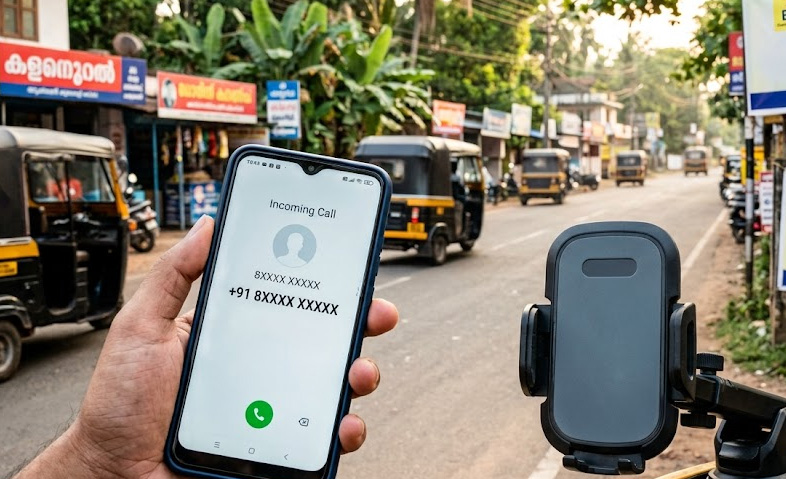
NEW DELHI: In a major step to curb spam calls and online fraud, the Indian government has mandated the rollout of the Calling Name Presentation (CNAP) system. Telecommunication service providers have been directed to implement this feature, making caller name displays mandatory starting November 1.
The initiative, spearheaded by the Department of Telecommunications (DoT) and the Telecom Regulatory Authority of India (TRAI), aims to provide mobile users with better transparency and protection against fraudulent calls.
What is the CNAP System?
The CNAP service will display the verified, official name of the caller on the mobile screen when an incoming call is received from an unsaved number. Unlike third-party caller ID apps, the name displayed will be based on the subscriber’s identity records submitted during the Customer Application Form (CAF) verification when acquiring the SIM card.
- Available on 4G and 5G Networks: Initially, the CNAP feature will be rolled out on high-speed 4G and 5G compatible smartphones. Older networks like 2G, 3G, and landline services may be integrated at a later stage.
- International Calls: For incoming international calls where domestic subscriber verification data is unavailable, the screen will simply display ‘International Call’ instead of an individual’s name.
- Strict Privacy Controls: To protect user privacy, stringent guidelines are in place. Once a call is completed or disconnected, the caller’s identifying data will not be retained or stored by the network database.
- Provisions for Business Connections: Commercial or bulk business connections will have the option to display their registered business names, matching trade registry records or GST portals, instead of individual personal names.
With telecom operators finalizing their technical preparations, the implementation of CNAP is expected to significantly reduce scam calls, phishing attempts, and harassment over mobile networks.