

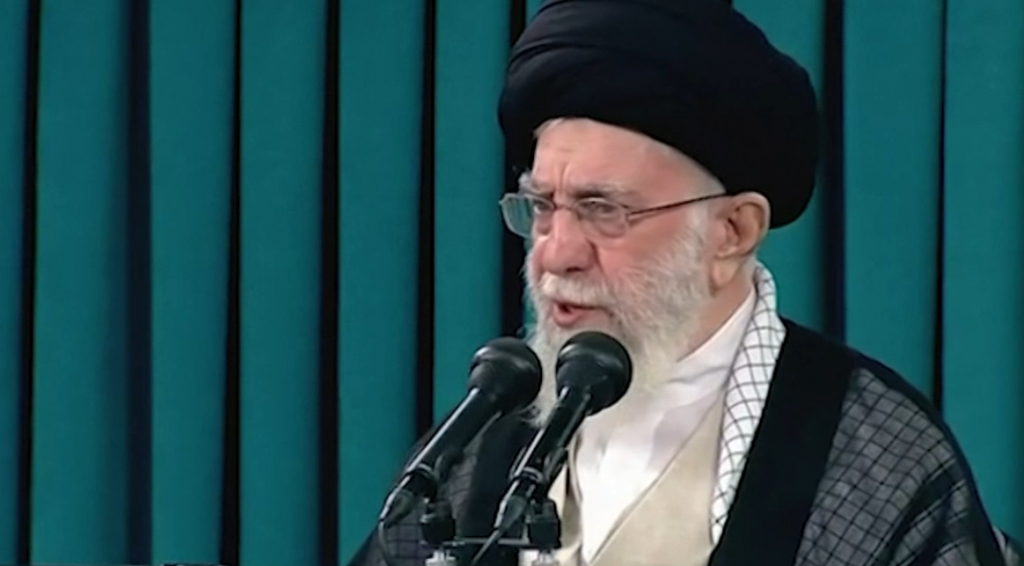
TEHRAN — In a major escalation of Middle East tensions, Iranian state media has officially confirmed the death of Supreme Leader Ayatollah Ali Khamenei following joint US-Israeli airstrikes. The 86-year-old leader was reportedly killed at his office during the bombardment.
Iran has declared a 40-day national mourning period in response to the assassination. Khamenei, who succeeded Ruhollah Khomeini in 1989 at the age of 50, held ultimate authority over Iran’s government, military, and judiciary for over three decades. According to state media, Khamenei’s daughter, son-in-law, and grandson also lost their lives in the attacks.
Heavy Casualties Reported Across Iran
The weekend strikes hit 24 provinces across the country, resulting in at least 201 fatalities. The death toll includes significant civilian casualties.
- School Attacks: Israel reportedly struck two schools during the operation.
- Minab Tragedy: At least 108 people were killed at the Shajareh Tayyebeh girls’ elementary school in the southern city of Minab.
US President Donald Trump Signals Continued Bombing
US President Donald Trump confirmed the joint operation, stating on his Truth Social platform that Khamenei was “unable to avoid our Intelligence and Highly Sophisticated Tracking Systems”.
Trump announced “major combat operations” and indicated that the “heavy and pinpoint bombing” of Iran will continue “uninterrupted throughout the week or, as long as necessary” to achieve military objectives.
Iran Launches Retaliatory Strikes Across the Middle East
In response to the assassination and bombings, the Iranian Revolutionary Guard Corps (IRGC) announced it is conducting multiple waves of “retaliatory” strikes against US and Israeli positions.
- Regional Targets: The counterattacks have targeted military assets in multiple Middle Eastern countries.
- Air-Defenses Activated: The strikes have triggered air-defense interceptions in nations hosting US bases, including Qatar, the United Arab Emirates, Kuwait, and Bahrain. Additional targets were reported in Jordan, Saudi Arabia, and Iraq.
Global Response and Airspace Closures
The unprecedented exchange of attacks has prompted several countries across the region to completely shut down their airspace. At the United Nations, Secretary-General Antonio Guterres warned that the military action risks “igniting a chain of events that no one can control,” calling for an immediate de-escalation of hostilities