
Loading…
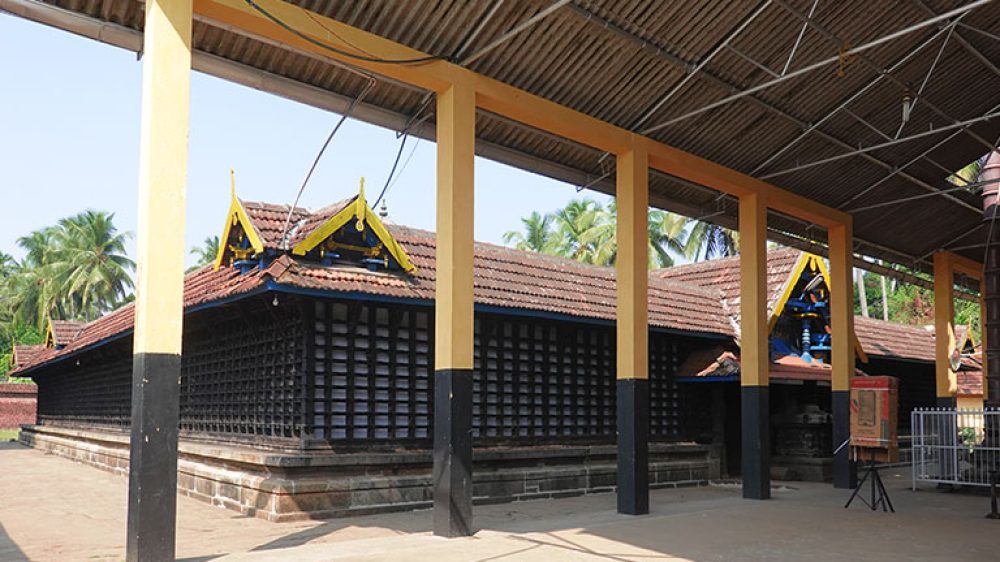
Thirunavaya Navamukunda Temple, Malappuram: History, Timings, and Rituals
Discover the sacred Thirunavaya Navamukunda Temple in Kerala. Explore its rich history, unique architecture, Mamankam festival legacy, and details for Pitru Tharpanam rituals.
Situated on the serene northern banks of the sacred Bharathapuzha (Nila) River in Malappuram, Kerala, the Thirunavaya Sree Nava Mukunda Temple is a highly revered Hindu shrine. Dedicated to Lord Vishnu, worshipped here as Navamukundan, it holds immense spiritual, historical, and cultural significance.
As one of the 108 Divya Desams (sacred abodes of Vishnu glorified by the Alwar saints), the temple is often referred to as “Dakshina Kashi” (the Varanasi of the South) because of its profound importance for performing ancestral rites.
Key Highlights
-
Primary Deity: Lord Vishnu (Navamukunda Perumal)
-
Other Deities: Goddess Lakshmi (Malarmangai Nachiyar), Lord Ganesha, Lord Ayyappa.
-
Unique Feature: The idol of Lord Vishnu is visible only above the knees; the rest is believed to be concealed underground.
-
Trimurti Sangama: With the presence of Brahma and Shiva temples just across the river, the region forms a holy trinity convergence.
-
Historical Fame: The traditional venue for the grand Mamankam festival, a medieval trade and martial assembly held once every 12 years.
Legends and History
The temple’s origins are deeply intertwined with local legends. It is known as Navayogi Sthala because it is believed that a group of nine Hindu saints, the “Navayogis,” installed the idol. According to the lore, the first eight idols sank deep into the earth as soon as they were placed. When the ninth idol was installed, it also began to sink but was forcibly stopped by the yogis when it reached knee level. As a result, only the upper half of the deity is visible today.
Another popular legend tells of Gajendra (the king of elephants) and Goddess Lakshmi worshipping Lord Vishnu here using lotus flowers from a nearby lake.
Historically, the temple was the epicenter of power in central Kerala, hosting the legendary Mamankam festival. Rulers from all over the region, especially the Zamorins of Kozhikode, would gather here to assert their dominance. Though the temple faced destruction during the invasions of Tipu Sultan in the 18th century and the Mappila Rebellion in 1921, it has been restored to its former glory.
Traditional Kerala Architecture
The temple is a stellar example of indigenous Kerala temple architecture.
-
Sri Kovil: The main sanctum is a two-tiered, conical structure built on a granite base with a terracotta tile roof.
-
Wood Carvings: The walls and roof of the central shrine feature intricate wooden carvings depicting scenes from the Hindu epics, the Ramayana and the Mahabharata.
-
No Pond or Well: Uniquely, the temple does not have a traditional temple pond. All water used for rituals is drawn directly from the flowing Bharathapuzha River.
-
Separate Goddess Shrine: Unlike most temples where Lakshmi is housed within the main sanctum, she has a separate Sri Kovil here.
Rituals and Ancestral Offerings
Thirunavaya is most famous for Pitru Tharpanam or Bali Tharpanam—the sacred ritual of making offerings to departed ancestors.
Because the riverbank here is considered as holy as the Ganges in Varanasi, hundreds of devotees arrive daily to perform these rites. It is widely believed that offering prayers and bali (rice, sesame seeds, and darbha grass) at this specific location grants salvation and peace to the souls of forefathers.
Temple Timings
The temple is open every day of the week, though timings may vary slightly on special festive or auspicious days.
| Shift | Timings |
| Morning | 05:00 AM – 11:00 AM |
| Evening | 05:00 PM – 07:30 PM |
(Note: On Sundays, the morning session often stays open until 11:30 AM.) Sometime it will change, before going please contact in temple phone number : 04942603747, 9497188647
Contact Information
For inquiries regarding poojas, Pitru Tharpanam bookings, or festival schedules, you can reach out to the temple administration directly:
-
Landline: 0494-2603747
-
Mobile: +91 94971 88647
- E-mail – [email protected]
How to Reach
-
By Train: The Thirunavaya Railway Station is located just a couple of kilometers away, making train travel highly convenient. Major trains also stop at Tirur Railway Station (approx. 10 km away).
-
By Road: The temple is about 29 km from Malappuram city center and is easily accessible via the Tirur-Kuttippuram road. Buses and taxis are frequently available.
-
By Air: The nearest airport is Calicut International Airport (Karipur), located approximately 42 km away.
Address & Contact
Our Address
Thirunavaya Sree Nava Mukunda Temple
GPS
10.8637206, 75.9817269
Web
-
Comments 0